The Mora Zanzibar: Beyond the Buffet, Inside Zanzibar’s New All-Inclusive Standard
A firsthand review of The Mora Zanzibar, where all-inclusive means fresh local food, real sustainability efforts, and effortless island hospitality
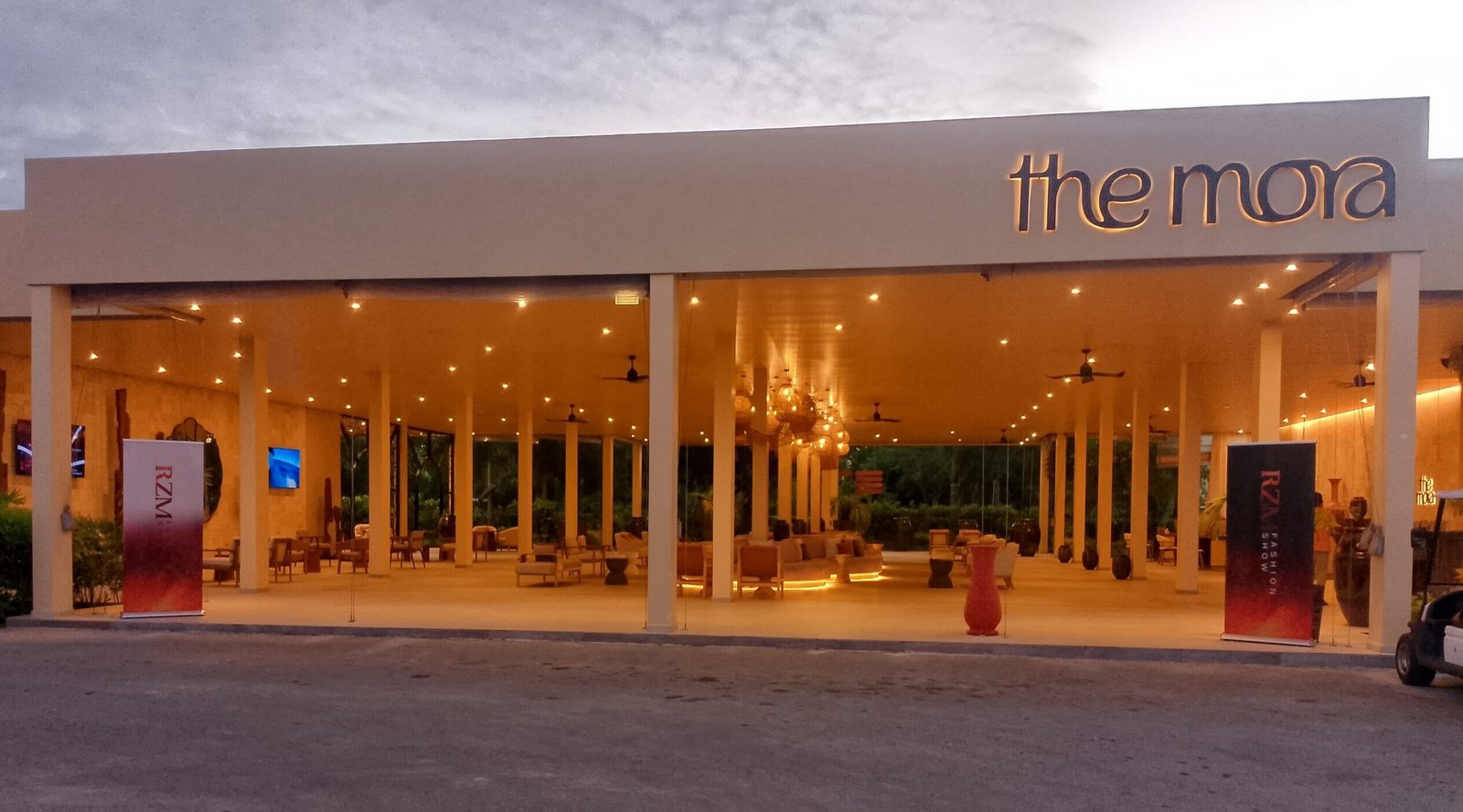
The word “all-inclusive” carries a lot of baggage. Say it, and most people picture a sprawling buffet line, a wristband, and a week spent not leaving the pool. It’s a model built on volume — more food, more drinks, more square footage — rather than on any particular idea of what a good trip feels like.
At The Mora Zanzibar, that model is quietly being rewritten. Not reinvented, the bones are familiar: meals, drinks, activities, all bundled into one rate. But the emphasis has shifted from how much to how well, and that difference is easier to feel than to explain.
I stayed at the resort to see for myself whether that distinction holds up once you’re actually there, plate in hand, past the marketing language.
The Clearest Evidence Was on the Plate
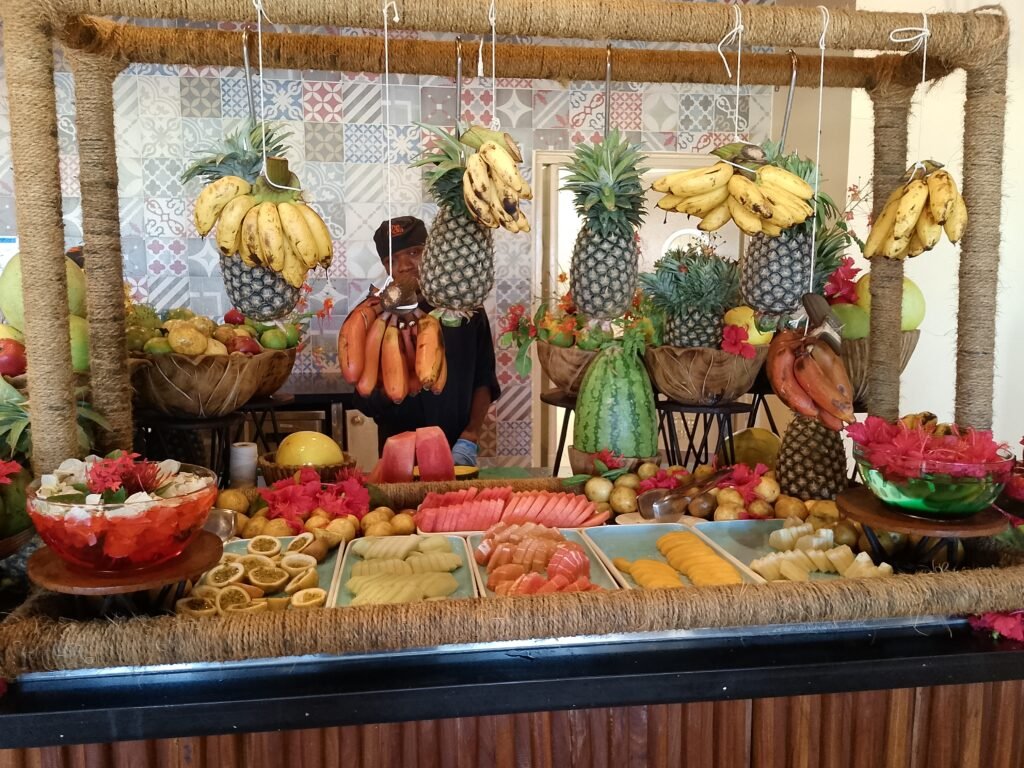
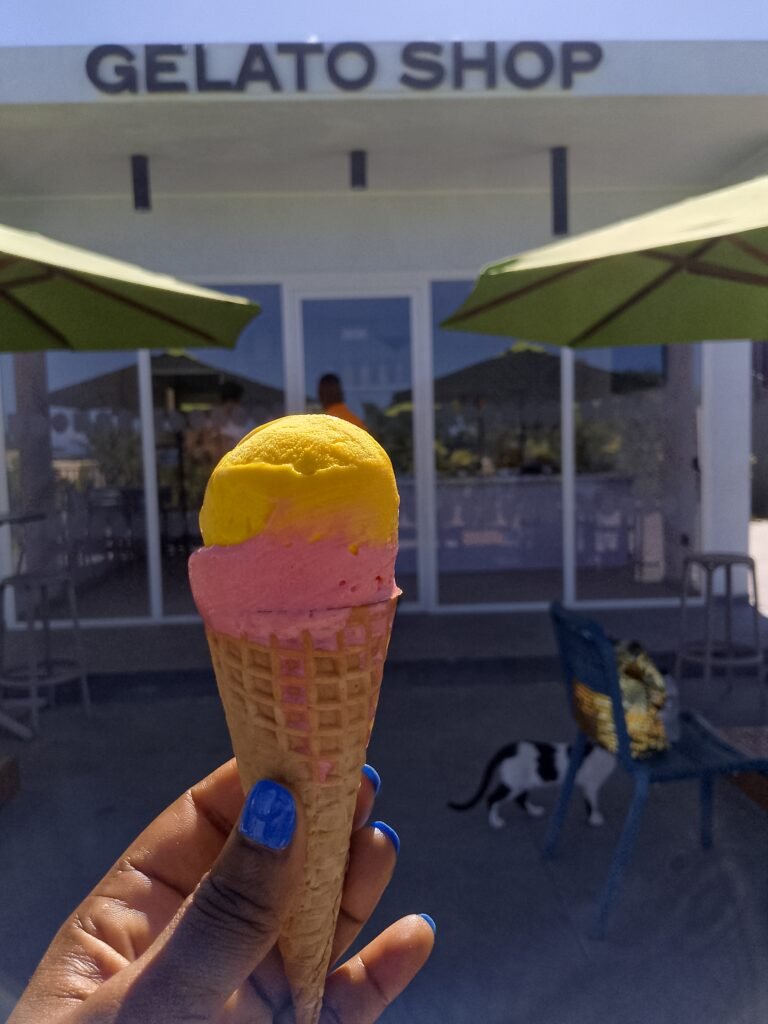
If you want to know whether an all-inclusive resort is coasting on convenience or actually trying, breakfast is a good place to look. It’s the easiest meal to phone in — a resort can get away with a weak breakfast if dinner is strong enough to compensate.
The Mora didn’t phone it in. The morning spread was built around freshness rather than sheer quantity: fruit that tasted like it had been cut that morning, juices without the flat, concentrate taste that plagues most buffet lines, and a rotating set of mains that stayed consistent in quality even on repeat visits. I’m not someone who usually looks forward to breakfast. This was the exception.
What made the meals feel less like a buffet and more like a proper dining experience was the format itself: dishes were laid out for you to build your own plate, rather than pre-portioned or served assembly-line style. It’s a small structural choice, but it changes the feeling of the room, less canteen, more open kitchen. The pastry counter, in particular, earned repeat visits.
None of this would have mattered as much without the staff running it. Servers were unfailingly warm, the kind of consistent, unforced friendliness that’s hard to fake across a full week of shifts. That’s worth noting on its own: hospitality staff on a resort island are often working long hours in heat, servicing back-to-back meal periods, and it showed in the quality of the food, not in the mood of the people serving it.
What “All-Inclusive” Is Actually Buying You
Porsche Dumagude, Cluster Marketing Manager for The Mora Zanzibar and its sister property, TUI BLUE Bahari Zanzibar, describes the shift as a response to changing traveller expectations.
“We’re seeing our guests want more than convenience,” she says. “They want authenticity, wellness, flexibility, and meaningful experiences.”
Many resorts claim to have moved past the buffet stereotype. What’s harder to fake is logistics, and that’s where the more interesting story is.
Running a varied, high-quality kitchen on an island isn’t simple. “One of the biggest challenges is balancing variety and quality in a destination with naturally limited resources,” Porsche explains, noting that fresh ingredients and shifting supply conditions require constant improvisation from the kitchen team.
Guests don’t see any of that. What they see is a plate that looks the same on day one and day six… which is, in a sense, the point. Consistency in a place with genuinely limited resources is the harder trick, not the more impressive one.
The all-inclusive package itself covers all the expected grounds: breakfast, lunch, snacks, dinner, alcoholic and non-alcoholic drinks, activities, entertainment, sports facilities, and access to multiple dining venues. Guests wanting more can pay extra for spa treatments, private experiences, or speciality dining like teppanyaki.
The core offer, though, is meant to require no further decisions, no calculating what’s included and what isn’t, no separate tabs to track.
Where the “Island Is the Luxury” Framing Holds Up — and Where It’s a Line
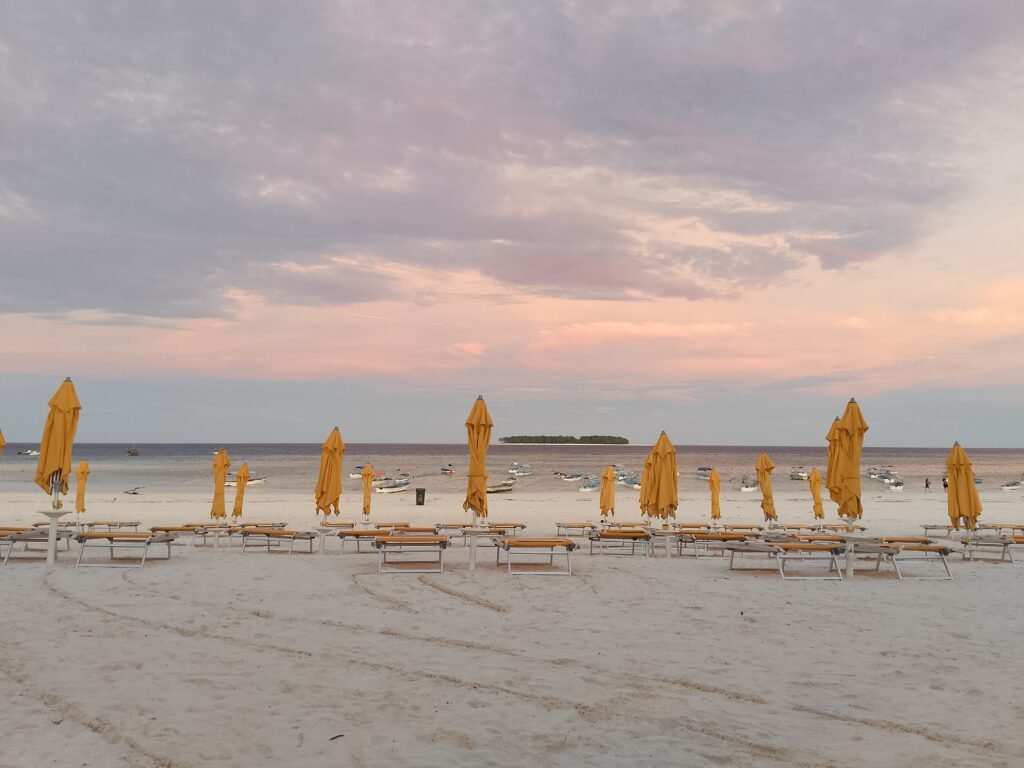
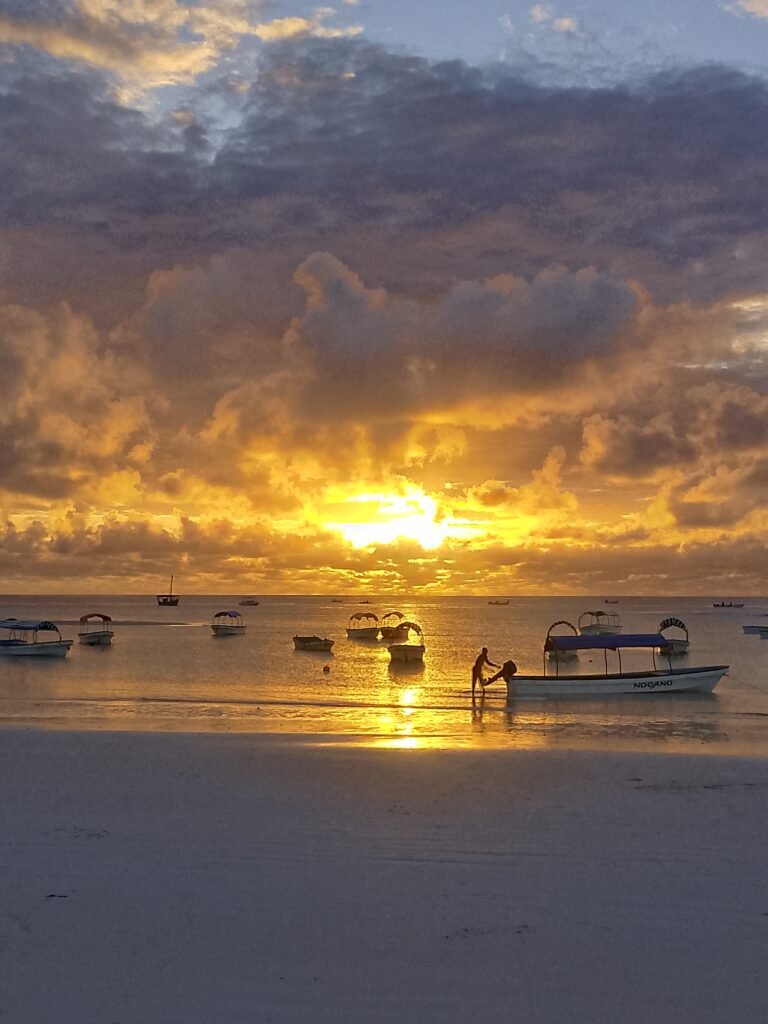
Resorts like to say the destination itself is the real luxury, which can sound like a way of downplaying the actual comparison shoppers are making: this resort versus the one next door. But in Zanzibar’s case, it’s a hard claim to dismiss. Guests can take day excursions to Stone Town, local spice farms, or out on the water towards Mnemba Island, then return to the property rather than relocating for each leg of the trip.
The resort also leans into local identity in ways that go beyond decor: Zanzibari cuisine, live performances, and partnerships with local artisans and suppliers show up throughout the stay rather than being confined to one “cultural night.”
Porsche points to something as simple as the standout experience: “Walking along Muyuni Beach at sunrise. It’s one of the most authentic and peaceful ways to experience Zanzibar.”
It’s a fair point; a sunrise walk on a quiet beach is the kind of thing you can’t manufacture with better catering, and it’s genuinely one of the better reasons to choose a beachfront property over a city hotel.
The sustainability question
Tourism growth on Zanzibar’s coastline raises the obvious question of how much strain these resorts put on a small island’s resources, and this is where “all-inclusive” starts to matter beyond the guest experience. The Mora’s answer centres on practical, visible measures rather than vague commitments.
An on-site water plant produces drinking water for both The Mora Zanzibar and TUI BLUE Bahari Zanzibar, cutting down significantly on single-use plastic across two properties rather than one. Alongside that sit energy-saving measures, responsible sourcing, and recycling initiatives; the unglamorous, day-to-day work that tends to matter more than headline gestures.
The community side is similarly concrete. The resort partners with HIPZ and other local organisations, with additional initiatives backed by the TUI Care Foundation and local outreach programmes.
On the economic side, the sourcing runs through local suppliers, artisans, and guides, a structure that lets guests experience Zanzibar authentically while keeping tourism revenue circulating locally rather than leaking out to imported goods and outside vendors.
It’s the kind of groundwork that rarely makes it into a highlight reel, precisely because it’s operational rather than photogenic. But for an island destination where tourism’s footprint is a real and growing concern, that’s arguably the right place for a resort to put its effort.
The Case Against and For
It’s worth saying plainly: All-inclusive isn’t for everyone. Travellers who want to wander unplanned, eat where locals eat without a resort itinerary to shape the day, or avoid paying upfront for things they might not use will still find the model restrictive. The trade-off is real… you’re paying for curation and certainty, not spontaneity.
But for travellers who’d rather not spend a vacation managing logistics, couples, families, and solo travellers who want both privacy and structure, the model earns its keep when it’s executed with actual care rather than just scale.
On the evidence of a two-day stay at The Mora, most visibly at the breakfast table, that’s the hard-won distinction it’s actually making.