What It Takes to Be Tanzania’s Best Safari Guide: Inside the Safari Field Challenge
Blood, sweat and tears… that’s what the Safari Field Challenge feels like when you watch it on the ground. And after going behind the scenes during the filming of its 11th season, I can tell you this: what you see on screen barely scratches the surface. I had the privilege of not just observing the…
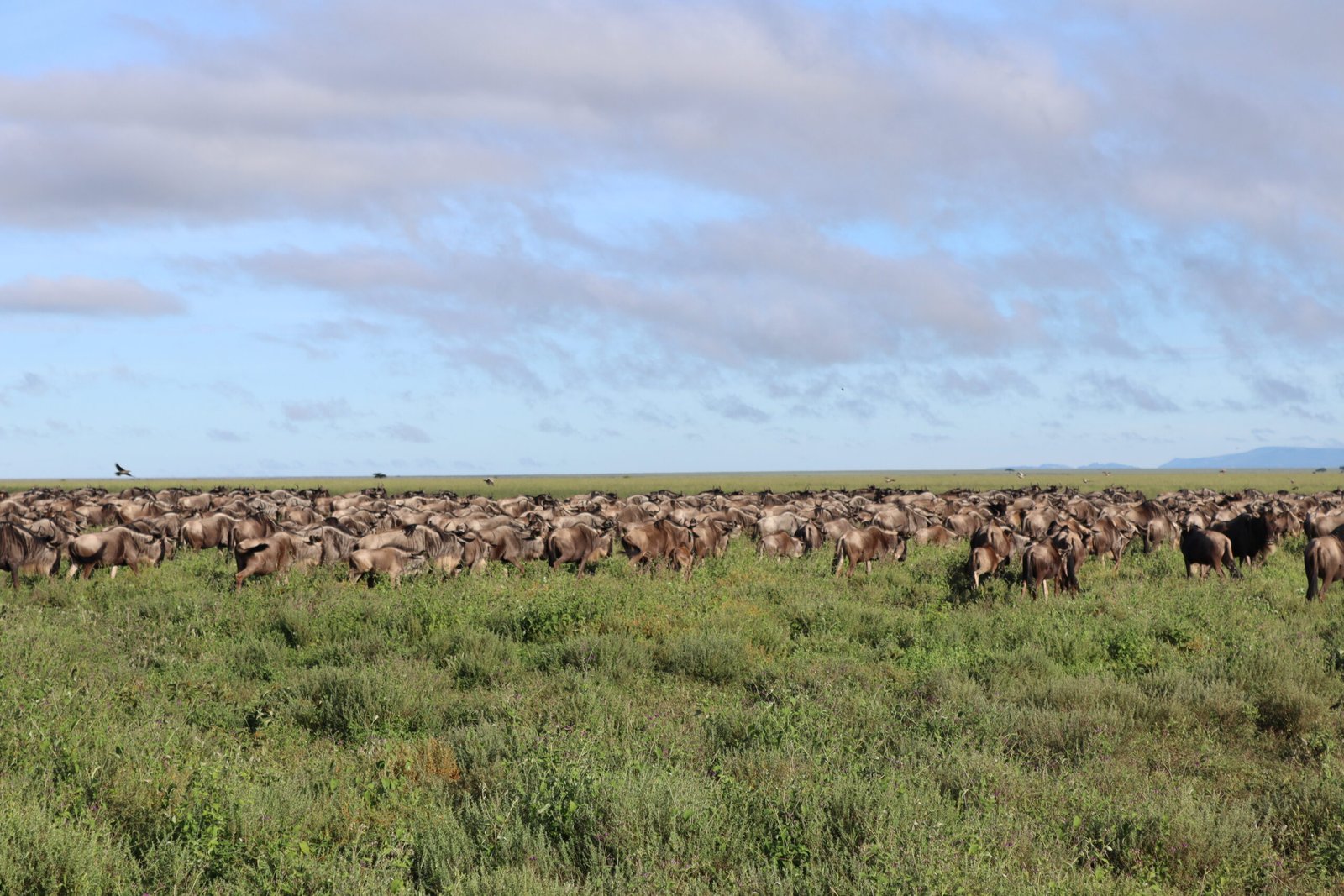
Blood, sweat and tears… that’s what the Safari Field Challenge feels like when you watch it on the ground. And after going behind the scenes during the filming of its 11th season, I can tell you this: what you see on screen barely scratches the surface.
I had the privilege of not just observing the challenge but getting to know the contestants, understanding their stories, their pressure, and what it truly takes to be called one of Tanzania’s best safari guides.
But let’s start at the beginning.
Why the Safari Field Challenge Exists
Tanzania is having a moment. As one of the hottest travel destinations right now, the competition to stand out is real. And while we often talk about landscapes, wildlife and luxury lodges, there’s one key element that quietly shapes every traveller’s experience: the safari guide.
They are the first impression when guests land. The storytellers. The problem-solvers. The calm in chaos. The difference between a “nice trip” and a life-changing safari.
The Safari Field Challenge exists to recognise exactly that.
It’s a TV show that brings together Tanzania’s top professional safari guides in a field-based competition focused on wildlife knowledge, conservation ethics, leadership, and guest experience. Simply put, it separates good guides from exceptional ones.
As Nickson Massawe explains, “The challenge started as an idea… why don’t we create something that showcases our work and celebrates our success? That’s how the Tanzania Tour Guides Awards Foundation was born, and that’s what gave birth to the Safari Field Challenge.”
What It Really Takes to Compete
If you think this is just another reality show, think again.
The challenge is intense.
Guides are tested across every possible scenario they might face in the field:
- Game drives
- Walking safaris
- Birding expertise
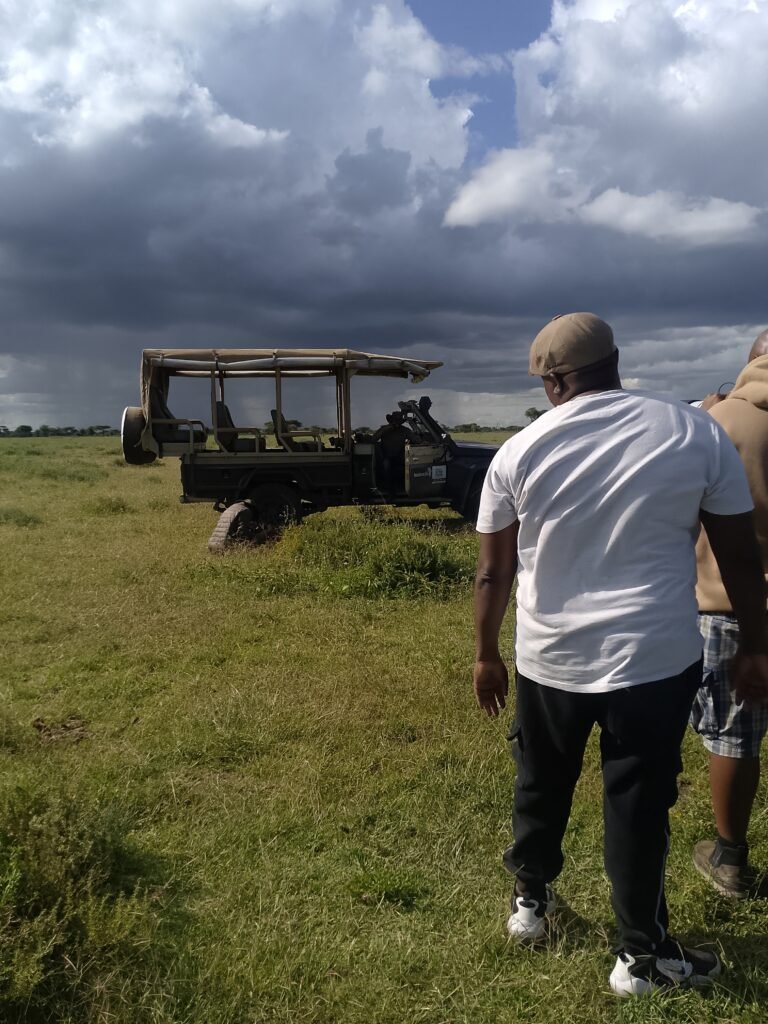
- Extreme driving challenges (think impossible terrain).
And then it gets even more real.
They are put through high-pressure simulations, handling difficult clients, responding to unexpected wildlife encounters, and managing multi-generational groups with completely different expectations.
It’s not just about knowledge. It’s about composure, emotional intelligence, and instinct.
Because out there, there’s no script.
How the Selection Process Works
Getting on a show is a challenge on its own.
It starts with nominations from tour companies, followed by a rigorous screening process. Background checks are conducted, from professional conduct in national parks to social media behaviour and peer reviews.
Only the best make it through.
Shortlisted candidates are invited for physical interviews, where judges assess not just knowledge, but personality and character. From there, the final six to eight contestants are selected for the field challenge.
After weeks of evaluation, one guide is crowned Best Guide of the Year.
And here’s the twist: the public plays a role too.
“We realise how many people know someone is a tour guide, but they don’t actually know what a guide does,” Nickson adds. “The Safari Field Challenge allows people to see what happens on the field, and even take part by voting.”
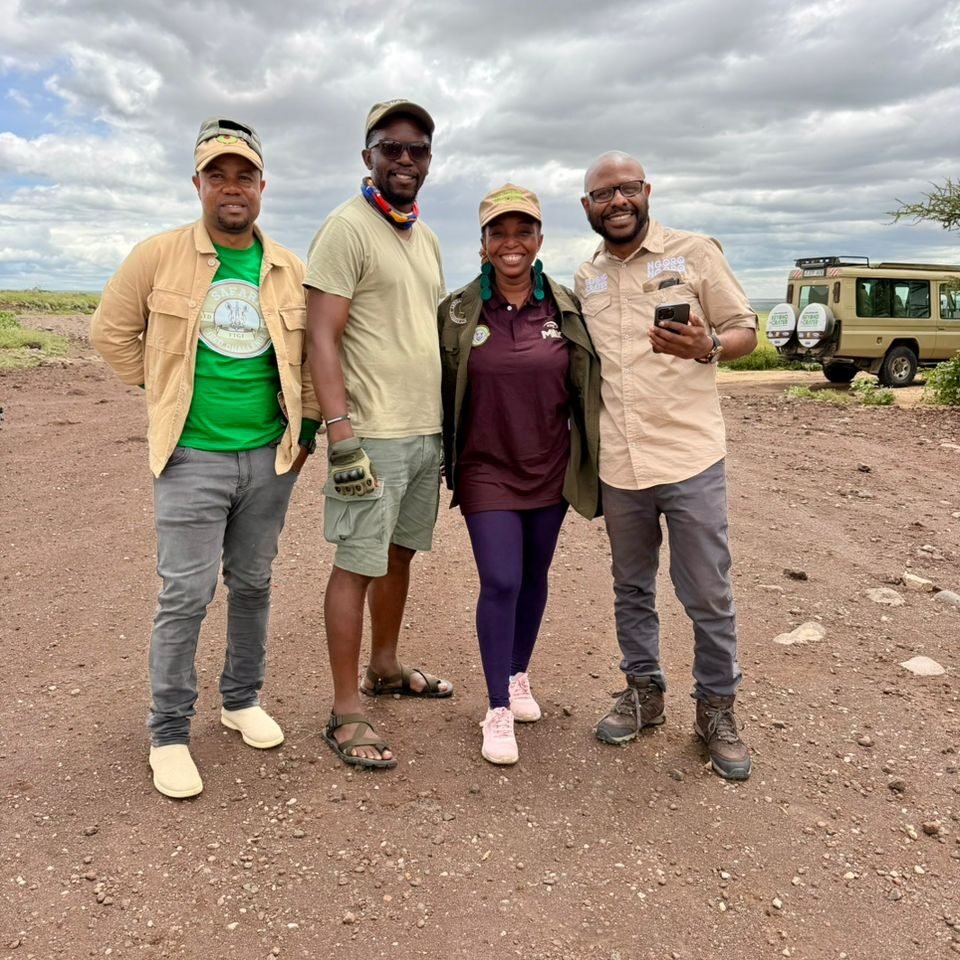
The Man Behind the Vision
Behind this entire initiative is Saddock Mugetta, founder of the Tanzania Tour Guides Awards Foundation.
For him, the show is more than entertainment; it’s a strategic tool.
“The Safari Field Challenge is an enhancement to what we do. The judges evaluate the skills and expertise of these individuals over two to three weeks. It gives us enough time to assess them across all the criteria.”
Now in its 11th season and fourth year on television, the show has grown into a powerful platform for both storytelling and industry development.
More Than a Show: Real Industry Impact
What started as a small initiative has grown into a movement.
From a handful of participants, the challenge now attracts close to 1,000 guide applications annually. And the ripple effects are visible across the industry.
- Improved guide standards
- Reduced cases of irresponsible practices like unnecessary off-roading
- More professionalism, both in the field and online
- Increased respect for guides within the tourism ecosystem
Perhaps the biggest shift has been recognition.
There was a time when tour operators sold destinations without fully acknowledging the role of guides, and that’s changing.
Guides are now seen as ambassadors, not just for companies, but for Tanzania and global conservation.
In 2019, this impact was officially recognised when the government, through the Ministry of Tourism, became a patron of the initiative… a milestone that cemented its importance.
Women in Guiding: Progress, But Not Enough
The numbers don’t lie.
As of 2026, female guides will make up just 1% of the industry. And yet, their presence carries immense weight.
The foundation has actively worked to recognise and uplift women in guiding, starting with honouring pioneers like the late Mama Mary Mushi, Tanzania’s first female tour guide, who began her journey in 1979.
Interestingly, when a “Best Female Guide” category was introduced, the response from women was clear: they didn’t want special treatment.
They wanted to compete equally. So the category was removed.
Now, men and women compete for the same title, even though the odds are steep, with one female guide often competing against over 50 male counterparts.
To bridge that gap, the foundation now focuses on visibility, recognising female finalists and investing in initiatives like the upcoming Female Guide Clinic, designed to give hands-on field experience to women entering the industry.
And there’s a strategy behind this, too.
Female guides are key to attracting markets like the Middle East, as well as solo female travellers and women-only groups.
Challenges Behind the Camera
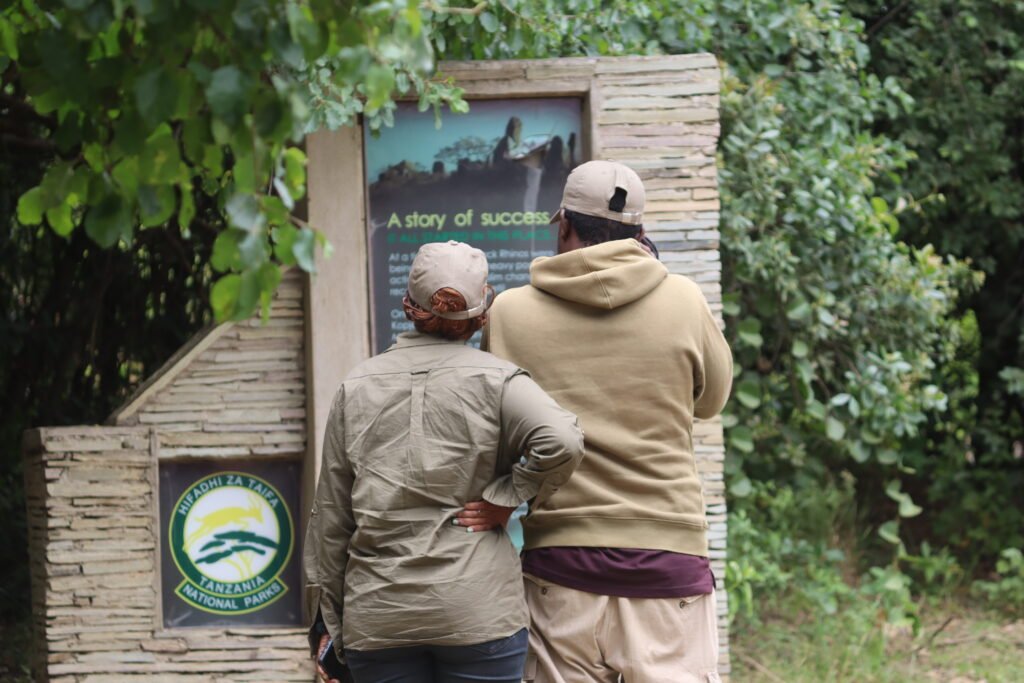
Producing a show of this scale isn’t easy.
Funding remains one of the biggest hurdles. High-quality storytelling requires serious investment, from production equipment to logistics like camps and vehicles.
And in a world driven by digital content, storytelling is everything. Without the right tools, even the most powerful stories risk going untold.
What’s Next?
The vision is bigger than Tanzania. The long-term goal is to expand across East Africa and eventually the entire continent, creating a platform where guides can compete, learn from each other, and raise the bar collectively.
Life After the Challenge
For the finalist, the exposure is life-changing.
Some go on to start their own tour companies, a dream for many guides. Others rise within their organisations, becoming leaders and mentors.
And their companies benefit too. What was once a niche initiative is now something businesses actively want to be part of. In fact, many are already asking: when is the next season?
To date, there have been 13 winners, and the 11th season will crown the 14th.
Final thoughts
Most people don’t realise that a great safari guide isn’t just someone who can spot a lion from a distance. They’re part storyteller, part psychologist, and part problem-solver.
Guests might ask about wildlife, yes, but also about banking, culture, politics, food, and life in Tanzania. A guide needs to be everything. A 360 professional.
And initiatives like the Safari Field Challenge aren’t just celebrating that, they’re raising the standard for it.
If Tanzania wants to keep winning as a destination, this is the kind of investment that matters.
Because at the end of the day, destinations don’t speak for themselves.
People do!