Beyond the Spa: Lucia Molebatsi’s Vision for African Wellness Travel
Lately, I have been thinking a lot about wellness. What does it really mean? And how much does it have to do with healing, rather than simply feeling good for a few hours? In search of some answers, I spoke to Lucia Molebatsi, a wellness entrepreneur based in Gaborone, Botswana. For Lucia, wellness does not…

Lately, I have been thinking a lot about wellness. What does it really mean? And how much does it have to do with healing, rather than simply feeling good for a few hours?
In search of some answers, I spoke to Lucia Molebatsi, a wellness entrepreneur based in Gaborone, Botswana.
For Lucia, wellness does not necessarily begin in a spa. It begins in her garden.
When she is not working, she can often be found tending to crops and ornamental plants, growing flowers and vegetables from seed and listening to what she calls “the quiet rhythms of nature”.
It is a surprisingly simple picture for someone working in an industry increasingly associated with luxury retreats, sophisticated spas and beautifully designed wellness resorts. But perhaps this is exactly what makes Lucia’s approach interesting.
For her, wellness is not about how many treatments you can squeeze into a weekend. It is about rootedness, presence, family, nature and, quite literally, having enough quiet to hear yourself think.
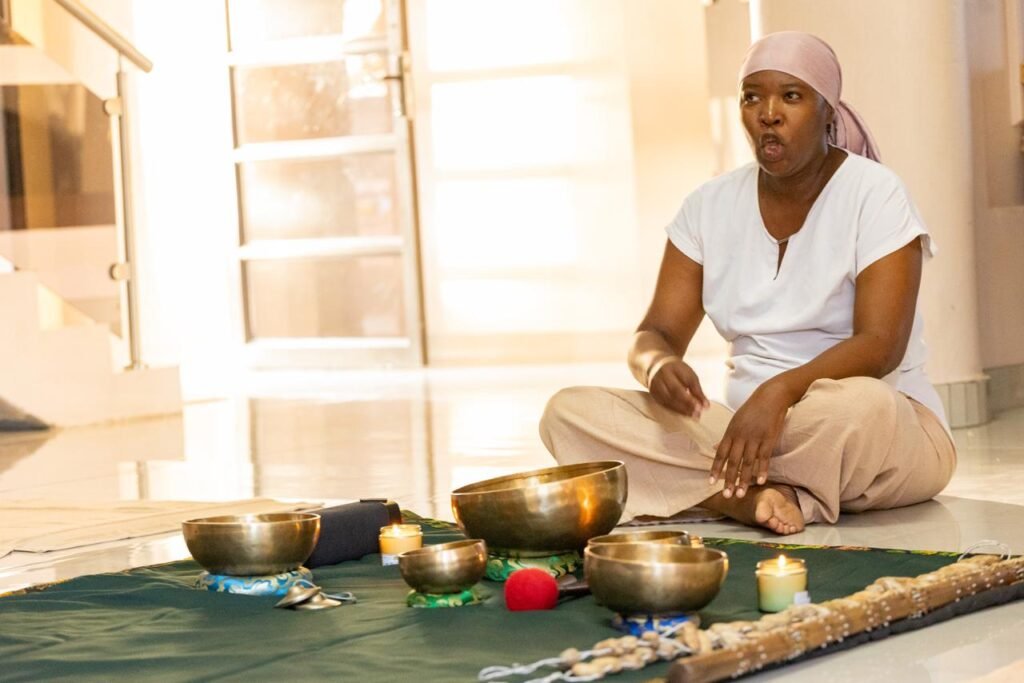
“I am a professional nurse turned Wellness Entrepreneur, Spa & Wellness Consultant, and Wellness Travel Specialist,” she says.
Lucia founded Lush Inc in 2021, during the pandemic. Her career began in nursing, but over time her interest shifted towards preventative health and the wider relationship between wellbeing, hospitality and travel.
The move into wellness travel was not entirely unexpected. Long before it became part of her professional life, Lucia was already creating what she calls “stillness holidays”.
“I was already curating intentional ‘stillness holidays’ for myself, my family, and friends,” she explains.
Eventually, the two things she loved, travelling and holistic wellbeing, came together.
Today, her work spans several areas of the wellness industry. She advises hospitality properties on spa and wellness concepts, works with luxury resorts and safari lodges, and develops bespoke wellness itineraries for private travellers.
And this is where her nursing background becomes particularly relevant.
Rather than seeing wellness simply as relaxation, Lucia approaches it through both a clinical and holistic lens. She advises properties on everything from facility layouts, treatment menus and therapist training to incorporating nature into the guest experience.
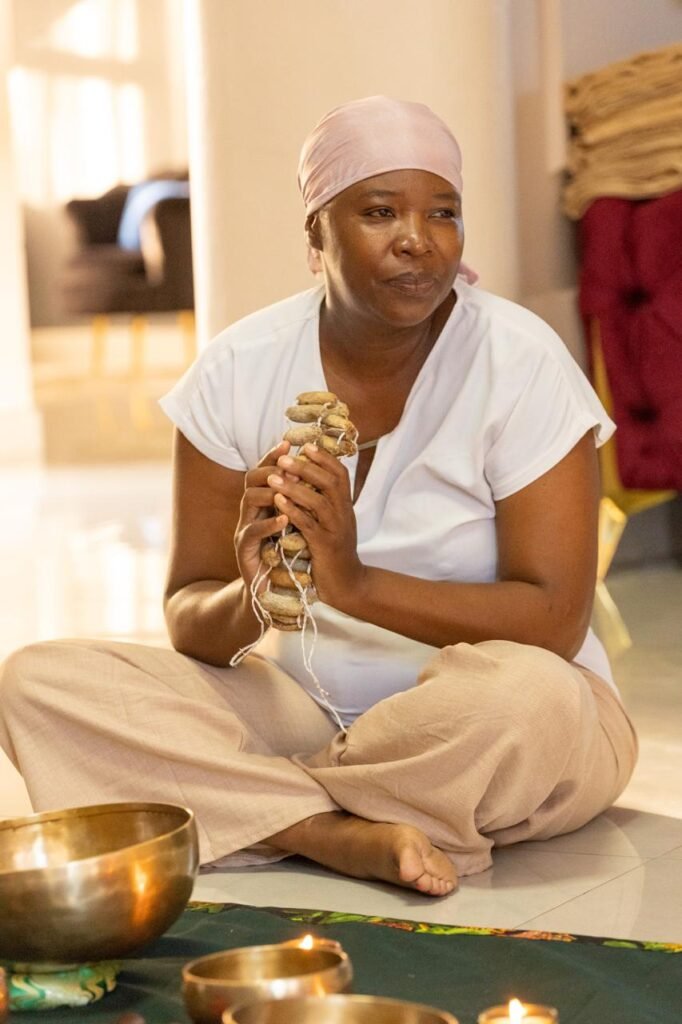
That might mean forest bathing, guided wellness walks or meditation surrounded by nature. She is also exploring acoustic sound therapy, including the use of traditional instruments such as the Mbira and Kora alongside singing bowls and African leg rattles.
Her work is also expanding into independent wellness reviews and mystery guest evaluations, assessing everything from the quality of treatments and sensory environments to operational flow and cultural authenticity.
It is a useful perspective at a time when the word “wellness” appears to be attached to almost everything.
A holiday with a massage does not necessarily make it a wellness holiday.
So, what does?
For Lucia, the difference comes down to intention.
“A regular holiday with a spa day treats relaxation as an add-on activity within an otherwise busy or unstructured itinerary,” she says.
“A true wellness trip is intentional from start to finish.”
For her, that means the natural environment, quiet spaces, nourishing food, mindful movement, sound therapy and restorative rest should all work together towards a particular therapeutic goal.
That philosophy carries over into how she works with individual clients.
Instead of simply asking someone where they want to travel, Lucia starts by asking how they are actually doing.
“Where in your body or life do you currently feel depleted?” is one of the questions she asks.
Then comes another: “How do you want to feel when you return home?”
The answers help her build a trip around the person, rather than making the person fit into a pre-designed wellness package.
It also means resisting the temptation to overdo it.
One of the most common mistakes she sees is travellers trying to attend every yoga class, treatment and workshop available. The result, ironically, is a wellness holiday that starts to feel like work.
“True healing requires white space on the calendar for silence, rest, and integration,” she says.
As someone who has occasionally looked at a holiday itinerary and wondered how on earth I was supposed to fit in sleep, I find this particularly convincing.
Putting Africa at the centre
There is another layer to Lucia’s work that makes her story particularly relevant to the future of wellness travel in Africa: her determination to bring African heritage into the conversation.
The global wellness industry has no shortage of beautiful retreats and carefully curated experiences. But Lucia’s approach raises a more interesting question: What could wellness travel look like when Africa’s own landscapes, traditions and ways of understanding wellbeing are placed at the centre?
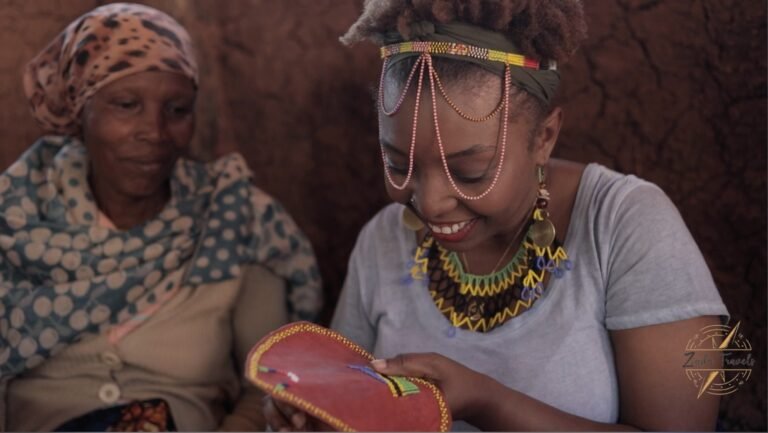
Her work is deeply influenced by ancestral wisdom and African cultural heritage. This has led to Mawa Wellness and her Pula Circle Meditation series, which she describes as a practice centred on deep listening, stillness and ancestral grounding.
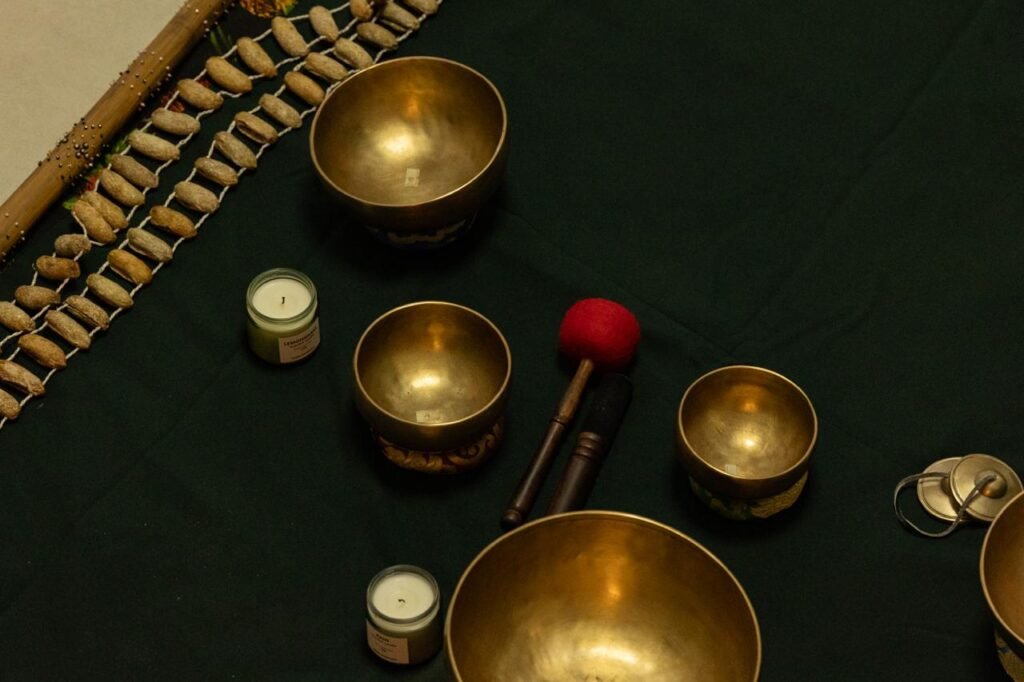
She is also interested in the therapeutic potential of sound, incorporating instruments such as the Mbira, Kora and traditional African leg rattles into meditation alongside singing bowls and natural soundscapes.
But she is careful about how these traditions are used.
For Lucia, African culture cannot simply become another aesthetic for a luxury retreat brochure. Her vetting process looks at whether local rituals, traditional instruments and regional botanicals are being integrated respectfully, rather than used as superficial marketing gimmicks.
And she believes Africa has plenty to work with.
When asked which African destinations could become the leading wellness destinations, she points to the cultural grounding of Ghana, the landscapes of Kenya, the sensory traditions of Morocco and the highlands of Lesotho.
But her heart, unsurprisingly, is in Botswana.
“Botswana holds immense untapped potential to become Africa’s premier luxury wellness destination,” she says.
The Okavango Delta, the Kalahari and the country’s vast, relatively untouched landscapes provide the kind of space that is increasingly difficult to find elsewhere. For Lucia, these landscapes offer clean air, peace, immersion in nature and the opportunity to genuinely disconnect.
It is a vision that also reflects how she sees the wellness traveller evolving.
In her work, Lucia is seeing professionals in their late 20s to 50s looking for burnout recovery, younger travellers prioritising mental health and digital detoxes, families seeking shared wellness experiences and more men intentionally participating in structured retreats.
She is also watching areas such as sleep tourism, longevity and preventative care, sound and vibration therapy, and spiritual or intuitive travel gain traction.
But perhaps the most convincing evidence of why she believes in this work comes from one of her clients.
Lucia recalls working with a high-level corporate executive who was approaching physical and emotional burnout. Rather than packing the retreat with activities, the experience was deliberately slow, combining wilderness immersion, acoustic sound therapy and targeted physical restoration.
She watched the client move from what she describes as “hyper-vigilance to genuine calm and clarity”.
For Lucia, it reaffirmed why this work matters.
Yet for all the talk of luxury wellness, ancestral practices and transformative retreats, her own definition of wellness remains refreshingly uncomplicated.
“When I travel for my own restoration, I seek simplicity, immersion, and connection to place,” she says.
She looks for local culture, natural beauty and quiet spaces. She wants mornings outdoors, clean local food, acoustic instruments and plenty of unstructured time to read, reflect and simply be.
And, wherever possible, she wants to be near the water.
“There is an undeniable sense of timelessness and deep spiritual connection whenever I rest in flowing water,” she says.
Perhaps that is the best way to understand Lucia Molebatsi’s approach to wellness travel.
It is not simply about creating luxurious places to escape to. It is about creating the conditions to slow down, reconnect with yourself and the place you have travelled to, and make room for experiences that feel restorative rather than merely impressive.
Africa has an opportunity to tell a different wellness story, one rooted in its landscapes, cultures, sounds and the ancient luxury of having enough space to simply be.