What Happens When the Diaspora Comes Home? Justa’s Bet on Tanzania Tourism
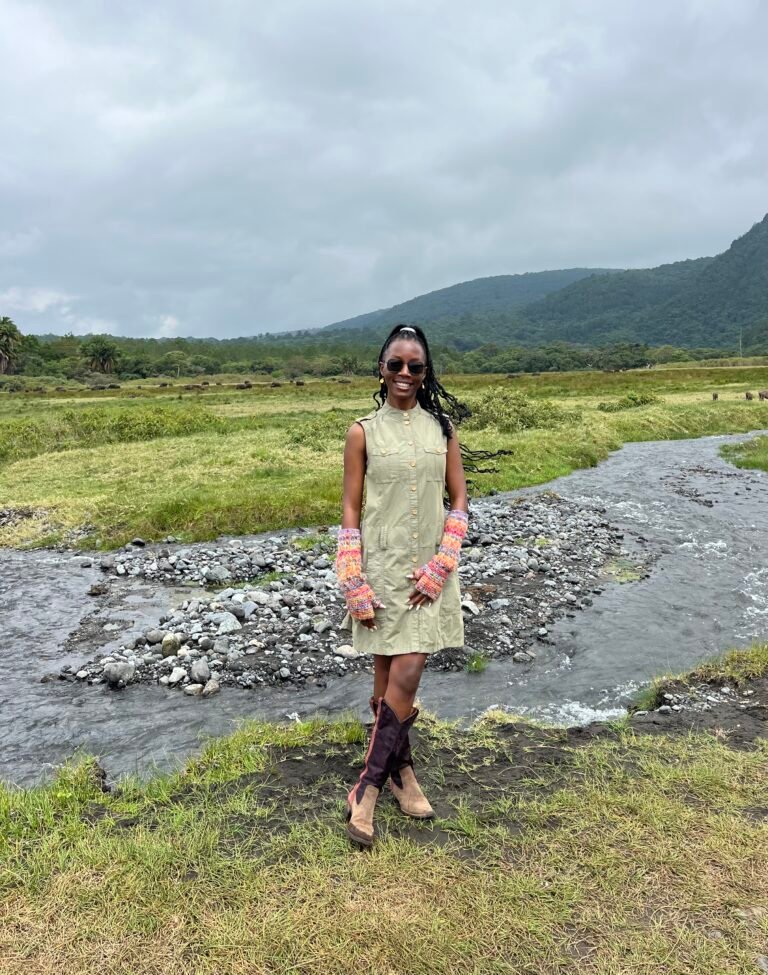
If you’re curious about Tanzania, let Justa tell you about it. Better yet, let her show you. Justa Lujwangana was born in Tanzania and moved to the United States at 12. A decade later, she came back home and, in her words, it felt like she’d hit the jackpot. The landscape, the wildlife, the coastline,…
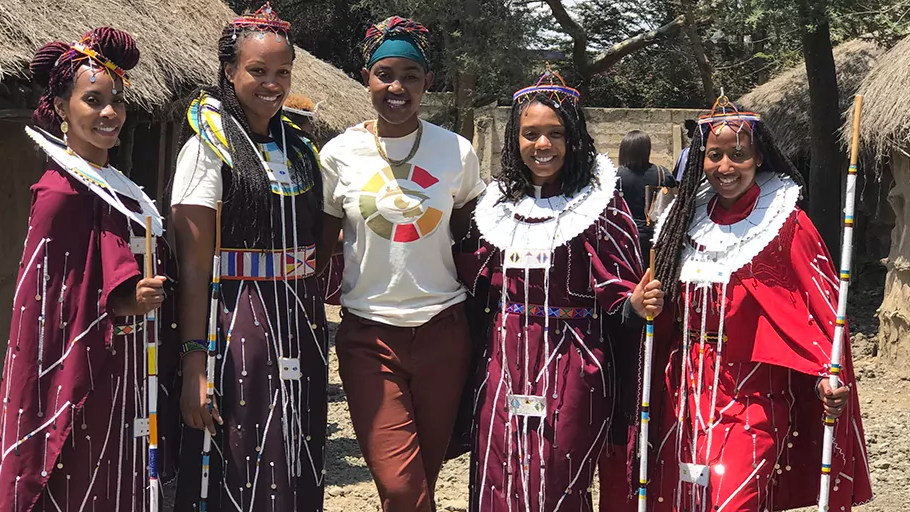
If you’re curious about Tanzania, let Justa tell you about it. Better yet, let her show you.
Justa Lujwangana was born in Tanzania and moved to the United States at 12. A decade later, she came back home and, in her words, it felt like she’d hit the jackpot. The landscape, the wildlife, the coastline, the culture. “It was like an Oprah moment,” she laughs. “This place is beautiful.” That rediscovery sparked something deeper. Curiosity.
That curiosity turned into Curious on Tanzania, a company she founded ten years ago after friends in the US kept asking her the same thing: “Wait, Tanzania has all that?” She became the unofficial ambassador in every group chat, directing people to safaris, beaches, mountains and hidden corners of home. Eventually, she stopped forwarding links and started building experiences.
A decade later, she’s still curating journeys for curious minds, but now with sharper insights and a much thicker contact book. “Ten years in this industry builds confidence,” she says. “Every trip, I discover something new. I add it to my reference bank. It makes me even more confident to sell the country.”
And she has plenty to sell.
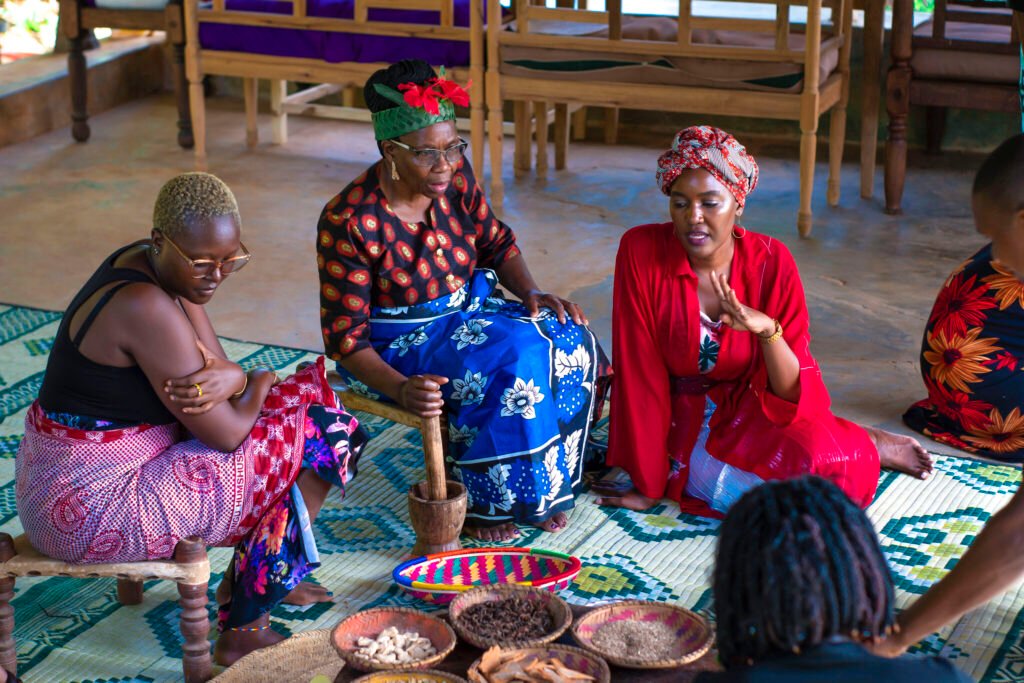
Tanzania is home to some of the continent’s most iconic attractions: the plains of the Serengeti National Park, the Ngorongoro Crater in Ngorongoro Conservation Area, the spice-scented alleys of Zanzibar, and the snow-capped peak of Mount Kilimanjaro.
According to Tanzania’s Ministry of Natural Resources and Tourism, the country received over 2 million international visitors by November 2025, generating approximately USD $4.2 billion in tourism revenue, the highest in Tanzania’s history.
The government’s target is eight million visitors by 2030. Ambitious? Yes. Impossible? Not with the products Tanzania is sitting on.
Justa has seen the transformation firsthand. “There’s more infrastructure. More investors are coming in,” she says. Roads have improved in key tourism circuits, new lodges are opening and international air access continues to expand. But growth, she insists, should not stop at the traditional safari-beach formula.
“The chain in tourism is long,” she explains. “We need more connectors. More experiences. From culinary journeys to adventure activities. Not just for foreigners, but for locals too.”
Globally, experiential travel continues to outpace traditional sightseeing. Travellers are looking for cooking classes, farm visits, creative workshops, community immersion and wellness retreats. Tanzania has the raw materials. The opportunity now is packaging.
When clients ask her for something that doesn’t yet exist, she doesn’t panic. She creates it. “Availability of experiences can be a challenge,” she admits. “So I use the gap to curate something new.” That mindset turns limitations into product development.
Then there’s the diaspora conversation, and Justa doesn’t shy away from it.
Across Africa, diaspora tourism has become a serious economic driver. Ghana’s 2019 “Year of Return” campaign reportedly attracted over one million visitors and generated nearly USD 1.9 billion in revenue, according to the Ghana Tourism Authority. Countries like Rwanda and Ethiopia have also actively positioned themselves to attract diaspora investment and heritage travel. The message is clear: reconnecting with citizens abroad is both an emotional and economic strategy.
Tanzania’s diaspora is estimated in the hundreds of thousands globally, particularly in the US and UK. Justa believes they are an untapped bridge. “The diaspora understands how business is done abroad. They have networks, capital, and knowledge. That can translate into tourism investment, education, and partnerships.”
Tourism remains one of Tanzania’s top foreign exchange earners, contributing roughly 17 per cent of GDP and supporting millions of direct and indirect jobs across the value chain. With the right channels, the diaspora Tanzanians could be ambassadors, investors, storytellers and connectors. Without that structure, the country risks leaving influence, capital and global networks on the table. “There needs to be a more structured push,” she says. “Especially for those ready to come back and invest.”
Gender is another conversation she doesn’t avoid.
Tourism in Tanzania, like much of the world, has long been male-dominated at the leadership level. Yet women make up a significant portion of the hospitality workforce globally. According to UN Tourism (formerly UNWTO), women represent more than half of the tourism workforce worldwide, but are underrepresented in senior management and ownership roles.
Justa is encouraged by what she sees locally. More women are starting tour companies. More women are stepping into executive roles. More women are claiming space. “There’s progress,” she says. “But there’s still work to do.”
Her advice is practical, not poetic. “We have to educate ourselves. Know how to navigate and command our space.” Confidence, she believes, is built through competence and community. “Women supporting women is not a slogan. It’s a growth strategy. Mentorship, shared lessons, honest conversations. That’s how industries shift,” Justa adds.
One of the spaces that has shaped her own growth is the Africa Tourism Association (ATA), a US-based trade association connecting African tourism suppliers with the North American market. Founded in 1975, ATA works to promote travel, trade and investment in Africa through conferences, trade shows, and networking platforms.
Justa has been a member for nearly a decade. “Being around people in the same industry builds confidence,” she says. Through ATA forums and expos, she accessed education, market insights and direct connections to the US travel trade. For Tanzanian operators eyeing the American market, those rooms matter.
Associations like ATA offer more than networking. They provide perspective, market access and shared experience. If you are facing a challenge, someone else in the room has likely faced it too and figured it out. For women, especially, those networks can be transformative.


At the heart of it all, Justa remains what she started as: curious.
Curious about her country, curious about what Tanzania could become, and curious enough to keep building experiences that make visitors fall in love and, sometimes, make returnees feel like they’ve just won the jackpot.
And if she throws in a signature dance move at the end of your itinerary briefing, consider it part of the package!