Things to Do in Karatu, Tanzania: Culture, Hiking and Safari Adventures
If you’ve driven the safari circuit in northern Tanzania, chances are you’ve passed through Karatu. Most people treat it as a stopover. Refuel. Stretch. Continue to the main event. I think that’s a mistake. Karatu is more than a pit stop on the way to the big names. It’s the doorway to icons like the…

If you’ve driven the safari circuit in northern Tanzania, chances are you’ve passed through Karatu. Most people treat it as a stopover. Refuel. Stretch. Continue to the main event.
I think that’s a mistake.
Karatu is more than a pit stop on the way to the big names. It’s the doorway to icons like the Ngorongoro Conservation Area and Serengeti National Park, yes, but it’s also a lively highland town with character, colour, and stories of its own.
I like to call it the little red town. Red soil. Red dust that politely settles on your shoes whether you like it or not. And warm, unfiltered Tanzanian energy that makes you slow down, planned or unplanned.
Karatu doesn’t require a dramatic itinerary. It just needs you to pause long enough to notice the landscape, the culture, the roadside fruit vendors, and the occasional “Mambo!” from its friendly people.
Here’s how I would like you to enjoy Karatu.
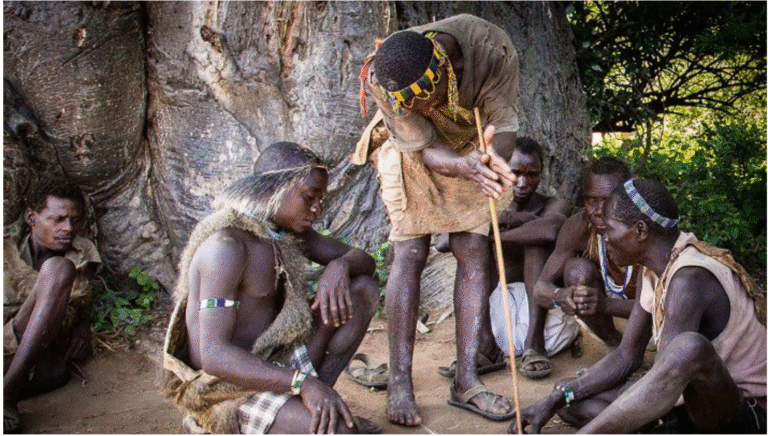
Learn the Iraqw Culture
Karatu sits in the heartland of the Iraqw people, one of Tanzania’s indigenous communities with a rich pastoral and agricultural heritage. At a glance, the Iraqw people’s traditional attire and mannerisms resemble those of the Maasai (they will probably not like me for saying this), but they are completely different in language, customs and history. Just pay attention to the colours and patterns of their shukas… that’s your first clue.
A cultural tour gives you insight into traditional homesteads, farming practices on the fertile highlands, storytelling traditions passed down through generations, and daily rhythms shaped by the land. It’s not a staged performance with rehearsed smiles. It’s real life unfolding in front of you.
The Iraqw are known for their deep connection to the land and strong community structures. Once you understand that, Karatu begins to make sense.
Travel tip: Go with a reputable local guide or lodge that works directly with the community. Cultural tourism works best when it benefits the people sharing their stories, not just the people taking the photos.
The Endoro Trail and Elephant Caves
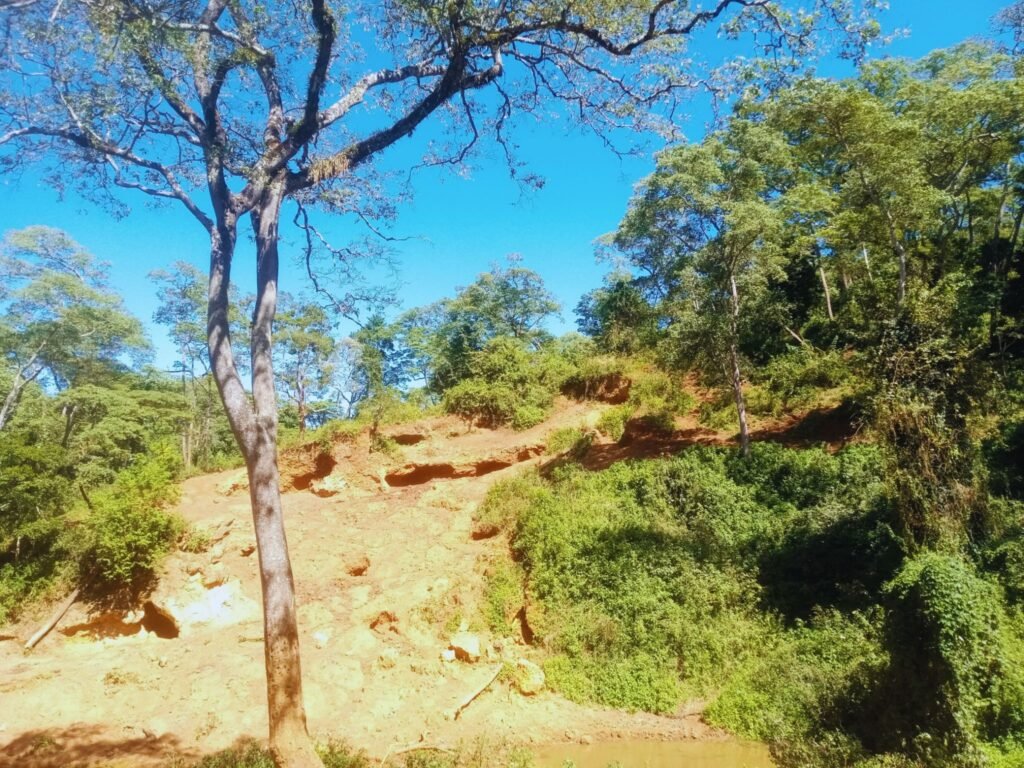
If you want something more immersive, head to the Endoro Forest area near Karatu.
The Endoro hike takes you through thick forest trails alive with birdsong and filtered sunlight. The air is cooler here, fresh, almost misty in the early mornings. Along the way, you’ll pass waterfalls that feel like a small reward before the main event.
And then, the famous elephant caves.
These naturally formed caves are known to be visited by elephants that come to dig for mineral-rich soil. Yes, elephants dig. For minerals. Nature never stops surprising me.
Standing outside those caves, you start to appreciate how deeply connected wildlife behaviour is to the landscape. It’s not just about seeing animals. It’s about understanding why they’re there.
The trail combines scenery, geology and wildlife behaviour in one walk. It’s not overly strenuous, but it’s substantial enough to feel like you earned dinner.
And trust me, you’ll want that dinner.
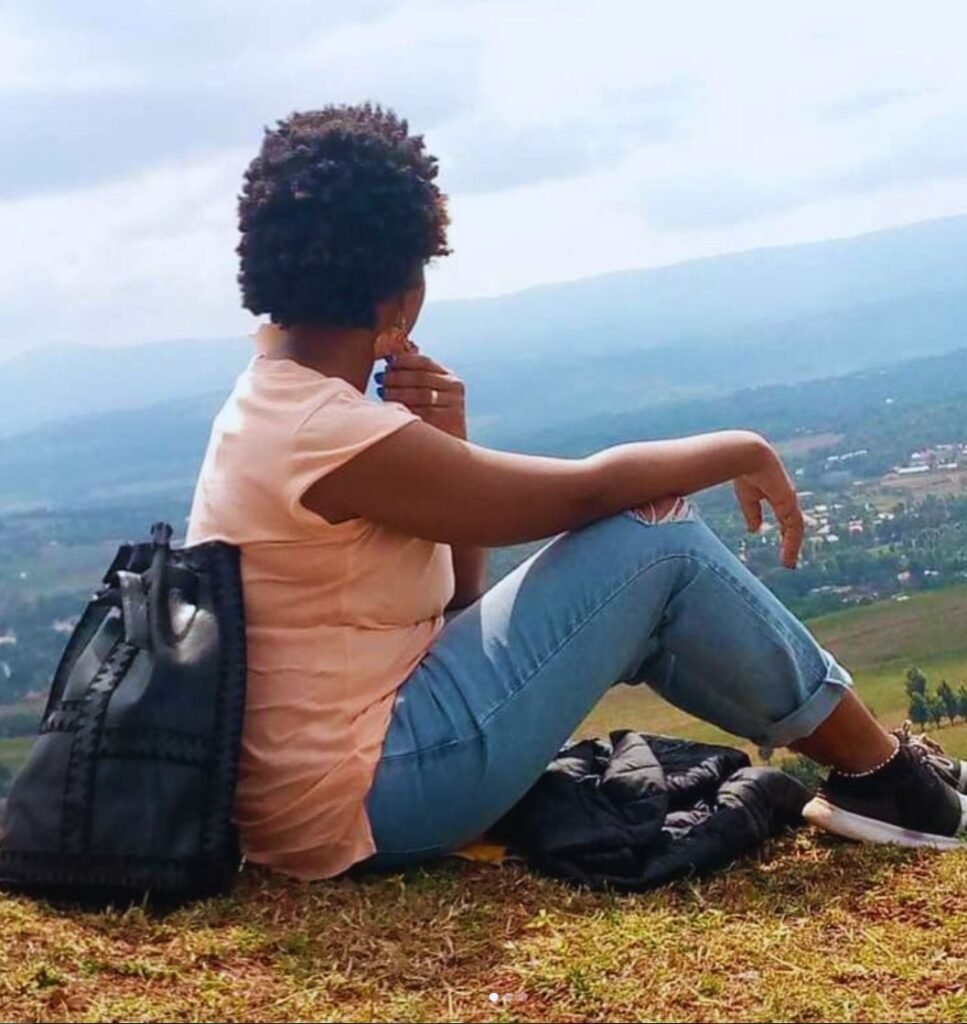
Hike Up Gyekrum Hill
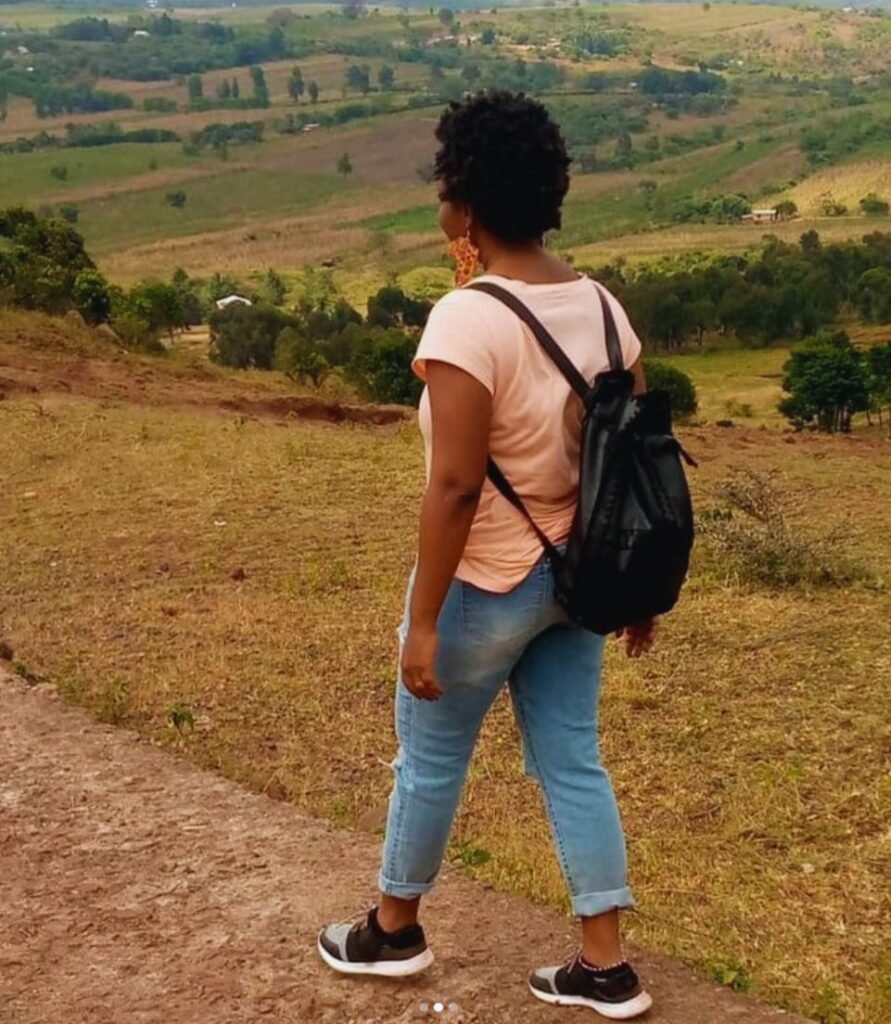
Every small town needs a good viewpoint. Karatu delivers.
Gyekrum Hill rises just above town, and the hike up is manageable if you’re moderately active. Nothing extreme, just enough incline to make you question your fitness for five minutes.
From the top, you get sweeping views of Karatu’s patchwork farms, red roads, scattered homes and rolling green hills stretching toward the horizon. On a clear day, the highland air feels endless.
Sunrise and late afternoon are the sweet spots. The light hits differently up there; soft, golden, almost theatrical. It’s the kind of view that makes you understand why this region is part of Tanzania’s famous northern circuit.
And in that quiet moment, you realise Karatu isn’t just somewhere you pass through. It’s beautifully positioned within it all.
Use Karatu as your Safari Launchpad
Karatu’s strategic location makes it ideal for day trips to some of Tanzania’s most celebrated and protected areas. From here, you can easily access Ngorongoro Conservation Area, Lake Manyara National Park and Tarangire National Park.
Ngorongoro, with its vast volcanic caldera, is often described as one of Africa’s most remarkable wildlife areas. Tarangire is famous for its ancient baobabs and large elephant populations. Lake Manyara offers diverse habitats in a compact space, forest, lake and escarpment all in one drive.
Staying in Karatu often means more accommodation variety and a cooler highland climate compared to lodging inside some parks. Mornings are crisp. Evenings are comfortable. And your safari drive the next day doesn’t start from exhaustion.
It’s practical. And smart.
Eat Your Way Through Town
You didn’t think I’d skip food, did you?
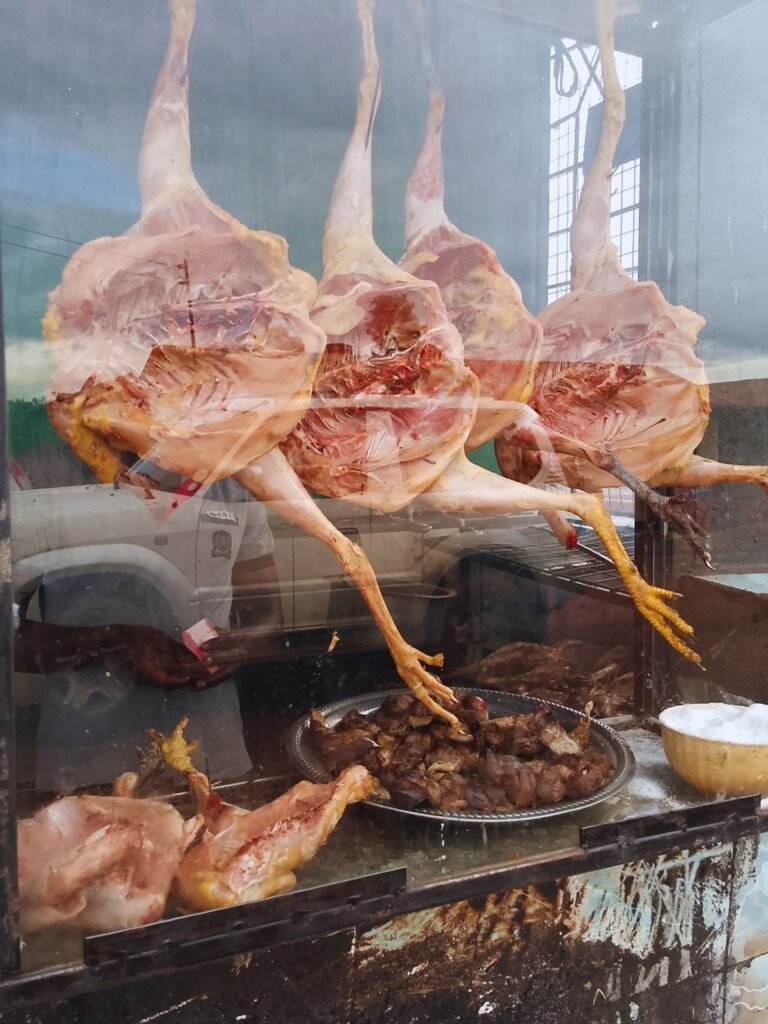
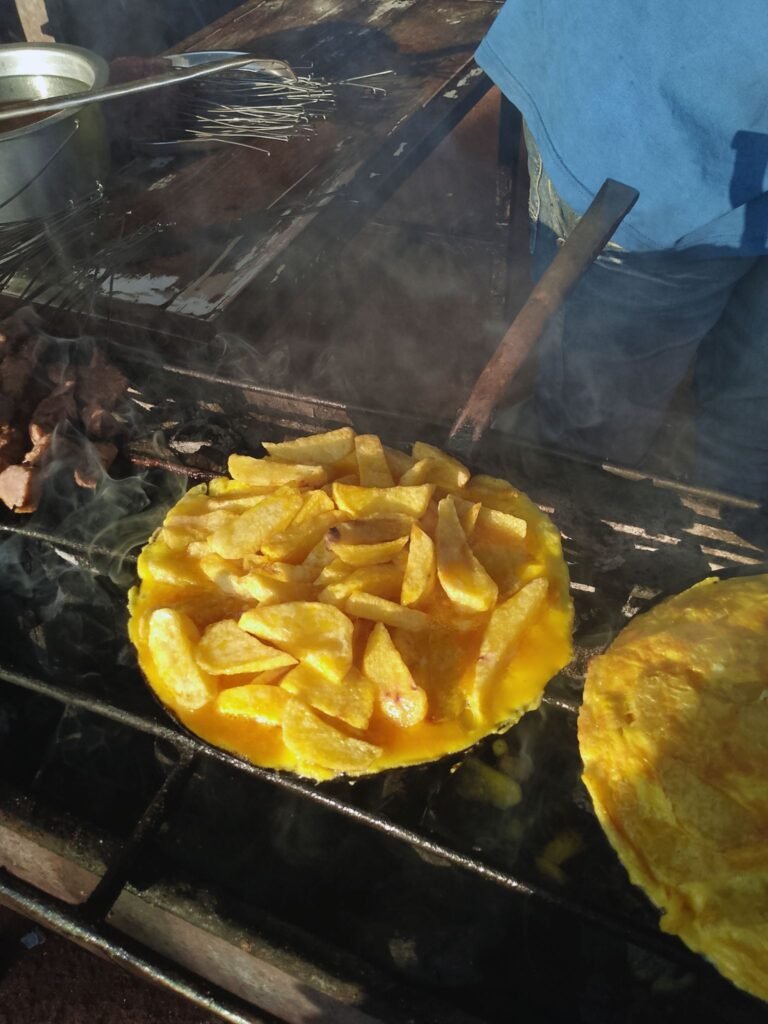
Karatu’s streets come alive in the evening. Smoke rises from roadside grills. Plastic chairs appear as if by magic. Conversations overlap. Someone’s radio is playing in the background.
Pull up a chair and order kuku kienyeji (local free-range chicken) or nyama choma fresh off the grill. Add a cold drink. Watch life happen around you… traders chatting, motorbikes weaving through, neighbours debating something passionately.
No white tablecloth needed. Just an appetite. This is where you’ll feel the vibrancy of the town most.
Before the town fully wakes up, give yourself a slow morning.
Karatu’s highland air in the early hours is crisp and quiet. This is the kind of place where mornings are not rushed… they stretch gently. Find a small café in town, order a cup of fresh Tanzanian coffee, and just sit.
One of the most loved spots in town is the Lilac Cafe, known for its relaxed atmosphere and good coffee. If you want something even more immersive, head to Gibb’s Farm and sip a freshly brewed cup while watching the coffee being ground and prepared right in front of you. There’s something deeply satisfying about seeing the process from bean to cup, especially when you’re surrounded by gardens and highland calm.
No rush. Just you, a good cup of coffee, and Karatu easing into the day.
Oftentimes, we romanticise big cities and world-famous parks, and rightly so. But small towns like Karatu remind you that travel isn’t always about spectacle; sometimes it’s about slowing down.
Karatu may be the gateway to giants like the Serengeti National Park and Ngorongoro Conservation Area, but it has its own quiet charm.
So next time you’re planning a northern circuit trip, don’t just pass through.
Make a stopover. Climb a hill. Learn a story. Drink coffee. Eat grilled chicken on a dusty roadside.
Let the little red town surprise you.