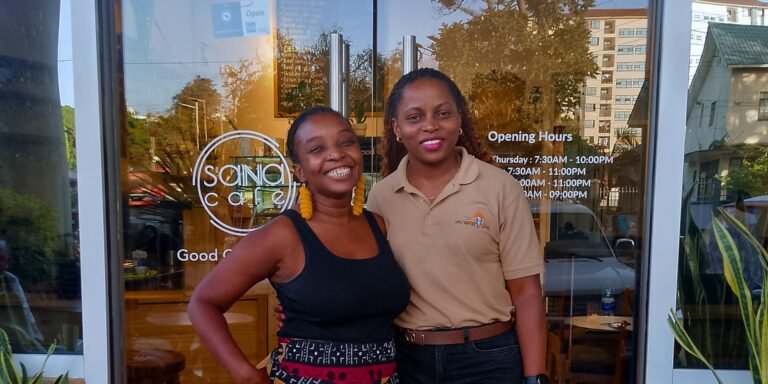
Why Tourism Brands Need a Digital Ecosystem, Not Just an Instagram Page?
“Brands that just ‘exist’ online are reactive. They’re on Instagram because everyone is. They have a website because they’re supposed to. But there’s no strategy to connect any of it.” The uncomfortable truth is that this statement describes a large number of brands, especially in tourism. Somewhere along the way, having a digital presence became…
“Brands that just ‘exist’ online are reactive. They’re on Instagram because everyone is. They have a website because they’re supposed to. But there’s no strategy to connect any of it.”
The uncomfortable truth is that this statement describes a large number of brands, especially in tourism.
Somewhere along the way, having a digital presence became a checklist. A website, an Instagram account, maybe a Facebook page. The assumption is that once those boxes are ticked, the brand is “digital”.
From safari lodges and boutique hotels to tour operators and travel agencies, many tourism businesses have a digital presence but lack a clear digital tourism strategy that connects their content, platforms and booking systems.
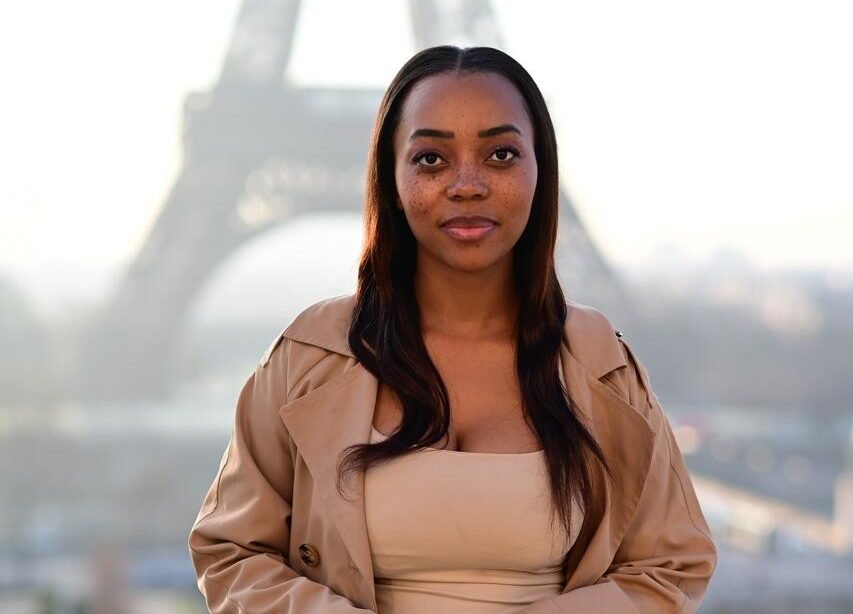
In my quest to understand how tourism brands should behave in the digital space, I spoke to Florah Sesera, a digital tourism strategist who helps travel brands build high-impact digital ecosystems through digital products, content and strategic partnerships.
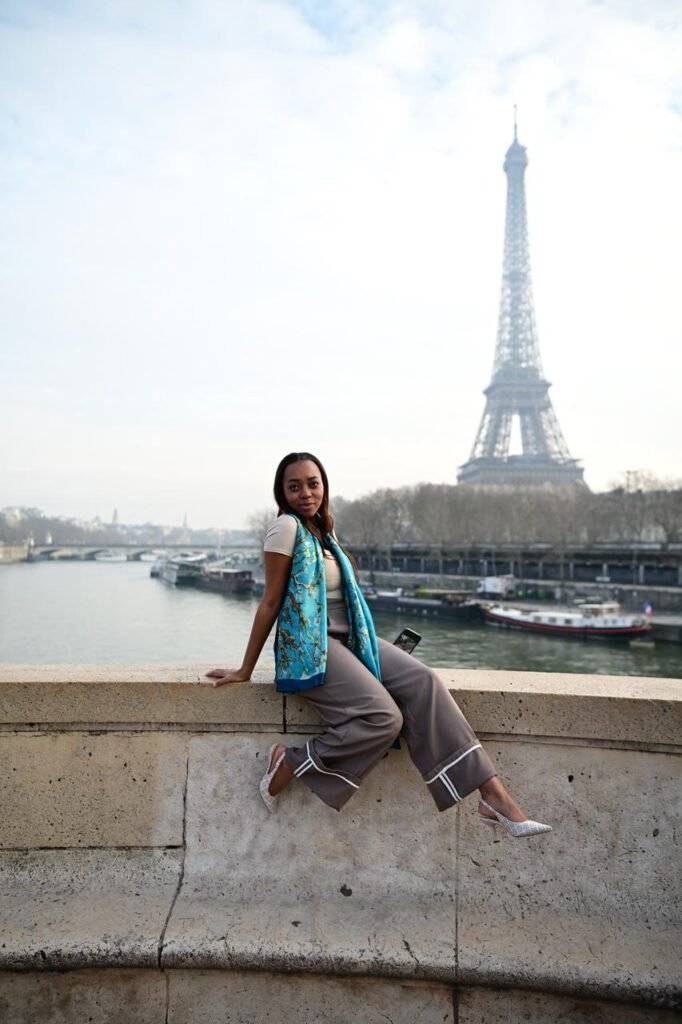
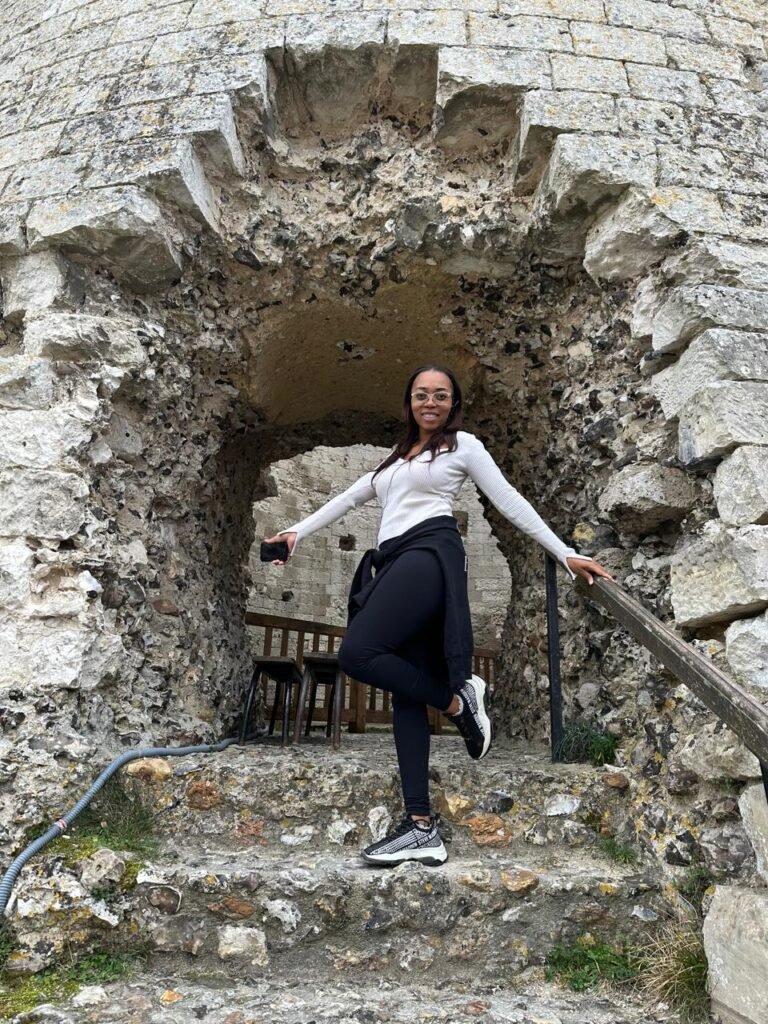
Before diving into strategy, I was curious about how Florah found her way into tourism in the first place.
“My interest in tourism began with curiosity,” she tells me. “Growing up, I was fascinated by the idea that people came from places completely different from my own. I remember going into town with my grandmother and watching the mix of people passing through. I would quietly wonder where they were from and what their world looked like.”
For Florah, tourism represented exposure. It was the possibility of encountering lives, cultures and perspectives far beyond her immediate environment.
Her path into digital tourism came later, and quite unexpectedly, during the COVID-19 pandemic.
“When travel stopped, the entire industry was forced to confront the digital world in a new way,” she recalls. “Suddenly, the question was not only where people travel, but how they discover and experience travel in a digital environment. That moment sparked a deep curiosity in me.”
That curiosity eventually turned into something more significant. While working within the tourism space, Florah began to notice a gap between the narrative surrounding tourism and the reality on the ground.
“We constantly hear that tourism drives economic growth. We read reports about how it contributes to GDP and creates jobs. But when I interacted with communities and individuals who were supposed to benefit from it, reality often looked different.”
That disconnect stayed with her.
“We talk about tourism driving economies,” she says. “But what does that actually look like for Africans? What does it look like for people to benefit from their own backyards, from selling their own stories and their own destinations?”
Those questions eventually anchored her work on digital tourism.
“I came to realise that digital is one of the few places where the playground can be more equal,” Florah explains. “Where a small lodge in Limpopo can reach the same travellers as a luxury chain, if the digital infrastructure is right.”
Infrastructure, it turns out, is the keyword.
Florah’s work as a digital tourism strategist centres on helping tourism brands build digital systems that shape perception and influence traveller behaviour.
“My job is to make sure your website, your content, your booking tools and your social presence all talk to each other,” she explains. “So when a traveller discovers you on Instagram, they can seamlessly move from inspiration to planning to booking without starting over at every touchpoint.”
That idea may sound simple, but it highlights a problem many tourism brands face.
Too often, digital channels operate like separate islands. An Instagram page might be visually stunning, but it leads nowhere meaningful. A website exists, but it does little to guide visitors to the next step. Content is published regularly, but without a clear purpose behind it.
Florah believes the difference between brands that win online and those that merely exist comes down to intent.
“Brands that win digitally know why they’re online,” she says. “Every piece of content, every platform choice, and every campaign ties back to a clear goal. They’re not posting to stay visible. They’re posting to move someone closer to a decision.”
When the systems are connected, the experience becomes seamless for travellers. Your website communicates with your booking engine. Your content feeds your social channels and newsletters. Data from one platform informs decisions on another.
From a traveller’s perspective, everything simply works.
“The goal is not to have more tools,” Florah explains. “The goal is to have connected tools serving a single purpose.”
This becomes even more important as new technologies enter the conversation. Artificial intelligence (AI), for example, is widely positioned as the next big shift in tourism marketing.
But Florah believes many brands are rushing into it too quickly.
“One of the biggest missteps I see today is brands jumping into AI before building the foundation it needs,” she says. “Without structured content, connected platforms and systems that capture traveller behaviour, AI has nothing valuable to learn from.”
In those situations, AI becomes little more than a surface layer. Something that signals innovation without actually improving the traveller’s experience.
“AI should amplify a system that already works,” she adds. “If the foundation is weak, it simply exposes cracks faster.”
The good news is that building an effective digital presence does not always require massive budgets, and in many cases, it begins with clarity.
Small tourism businesses often assume they are at a disadvantage compared to larger operators, but Florah believes this is not necessarily true. The starting point is understanding what already exists.
Where does your content live? Can someone easily move from Instagram to your website and then to a booking page? Are you paying attention to what people engage with and where they lose interest?
Even simple tools can be powerful when used intentionally. A well-structured website, a Google Business profile, WhatsApp Business and consistent content can create a surprisingly effective system when they are connected.
Beyond the systems and tools, storytelling remains one of tourism’s most powerful forces.
Yet this is another area where many brands miss the mark.
“If I could change one thing about how tourism brands tell stories, it would be this,” Florah says. “Stop telling stories about destinations and start telling stories from destinations.”
The difference is subtle but powerful.
“The most compelling stories rarely come from polished marketing copy. They come from the people who live there, work there and shape the experience every day. Their voices carry the rhythm and authenticity that travellers are increasingly searching for,” she adds.
Tourists do not only want information. They want a connection.
This idea becomes even more significant when we talk about African tourism. The continent is rich with stories, cultures and destinations that deserve to be seen and experienced. Yet the digital systems that carry those stories are not always owned by the people they represent.
“For me, that is one of the most important frontiers in tourism today,” Florah tells me.
She wants to see more Africans benefiting from African tourism not only as employees, but as owners, strategists and storytellers. Digital infrastructure, she believes, can help make that possible.
When local operators have the tools to tell their own stories, reach global audiences and shape their own narratives, the entire industry becomes more balanced.
Digital, after all, is not simply a marketing channel. In many ways, it is the doorway.
And perhaps that brings us back to the original question. Are brands simply present online, or are they intentional?
Because the difference between the two is not just about visibility. It determines who gets discovered, whose stories are heard, and ultimately who benefits from the journey travellers choose to take.
After this conversation, one thing is clear to me. In tourism, a digital presence is no longer optional. But intention is what turns visibility into opportunity.