

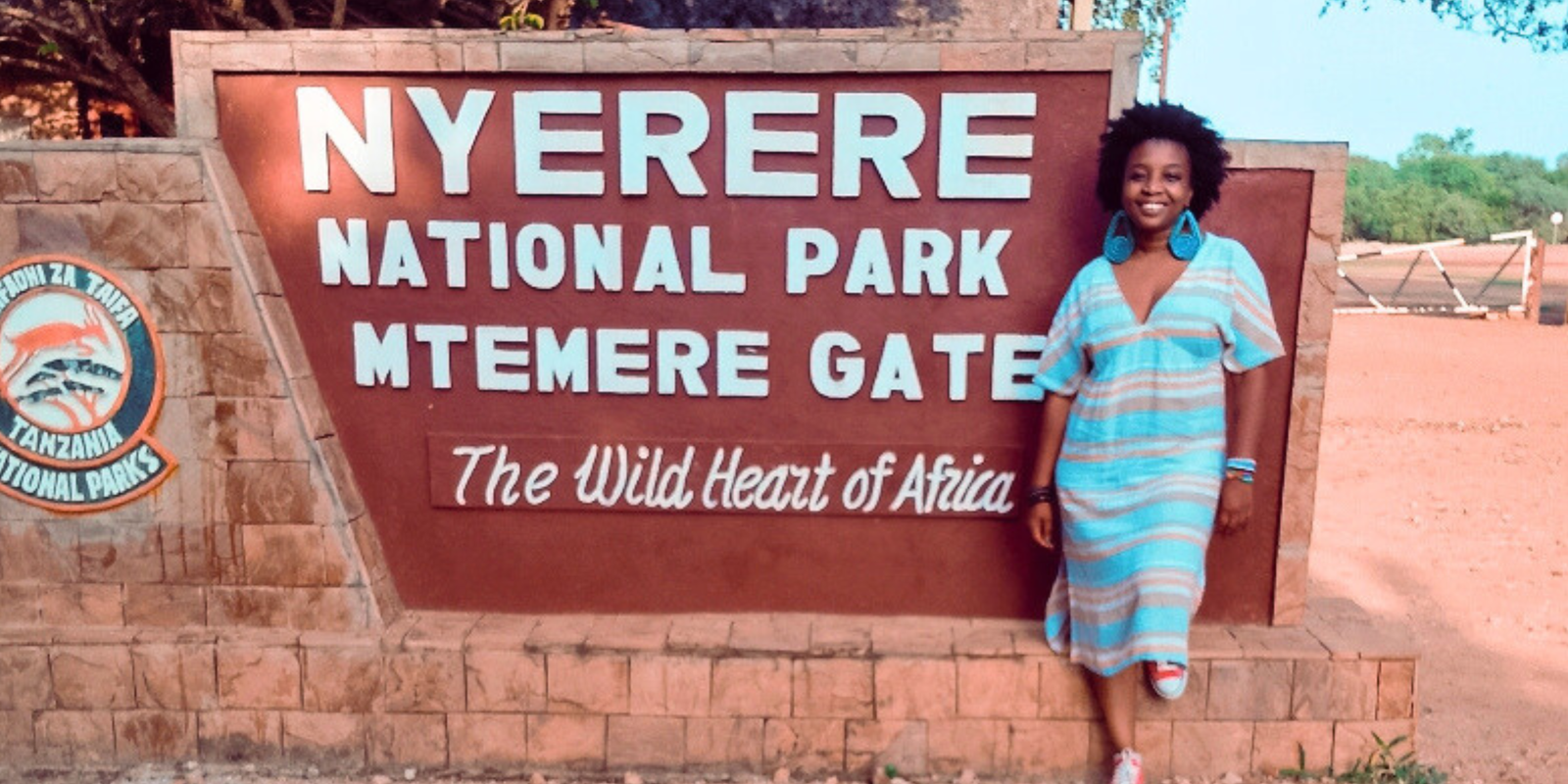
Nyerere National Park 101 — Tips, Facts, and Must-Do Adventures
Let’s talk about Nyerere National Park. Why, you ask? You’re probably thinking, “Didn’t she already cover it in her last article?” But really, what’s the point of visiting a place if I can’t dish out all the juicy details? Most people still refer to this ‘Land of the Mighty Rufiji’ as Selous. Why? That’s what it…
Let’s talk about Nyerere National Park. Why, you ask? You’re probably thinking, “Didn’t she already cover it in her last article?” But really, what’s the point of visiting a place if I can’t dish out all the juicy details?
Most people still refer to this ‘Land of the Mighty Rufiji’ as Selous. Why? That’s what it has been called for decades, since 1922, to be exact, when it was named after Frederick Selous, a British Army officer and explorer who tragically died in combat along the Rufiji River. However, in 2019, the government split Selous into two: Nyerere National Park (strictly for game drives and wildlife viewing) and Selous Game Reserve (which remains a popular spot for game hunting).
Right… now that we’ve had our history lesson, let’s get to the good stuff.
When they say a national park is untouched, Nyerere National Park (NNP) is the definition of a virgin. Before I go on, here are some facts you should know about:
- NNP is Africa’s largest national park.
- It’s a UNESCO World Heritage Site, designated in 1982.
- The Rufiji River is East Africa’s largest river.
- It’s often called the Garden of Eden — hippos and giraffes naturally keep the landscape trimmed.
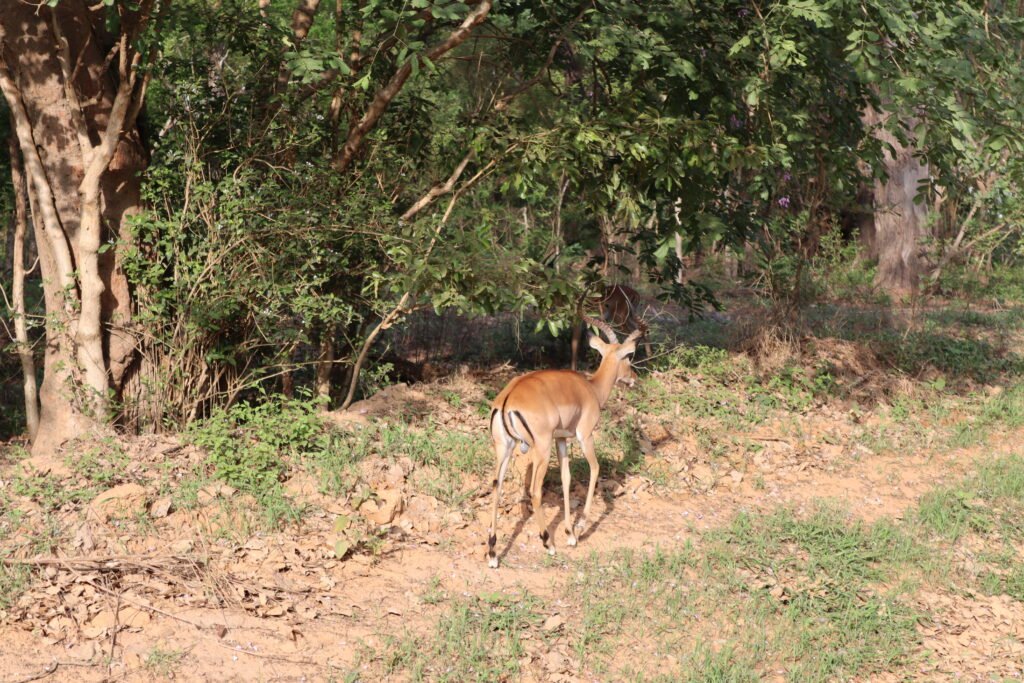
Because the land is so undisturbed, game drives here require a little patience. The animals? They still bolt at the sound of a vehicle. But trust me, it’s worth it! NNP offers stunning, scenic and pristine natural landscapes.
How to get there
I drove to NNP via Kisarawe, in the Coast region, about 230km from Dar es Salaam. The route features a mix of tarmac and unpaved roads, so brace yourself for a slow and bumpy ride (Takes between 4 and 5 hours). Alternatively, you can go through Kibiti or Morogoro. For those who prefer a faster (and smoother) option, short flights are available, with an airstrip conveniently located a few meters from the gate – inside the national park.
Where to stay
There are numerous options, ranging from simple budget camps, eco-lodges, to luxurious high-end lodges.
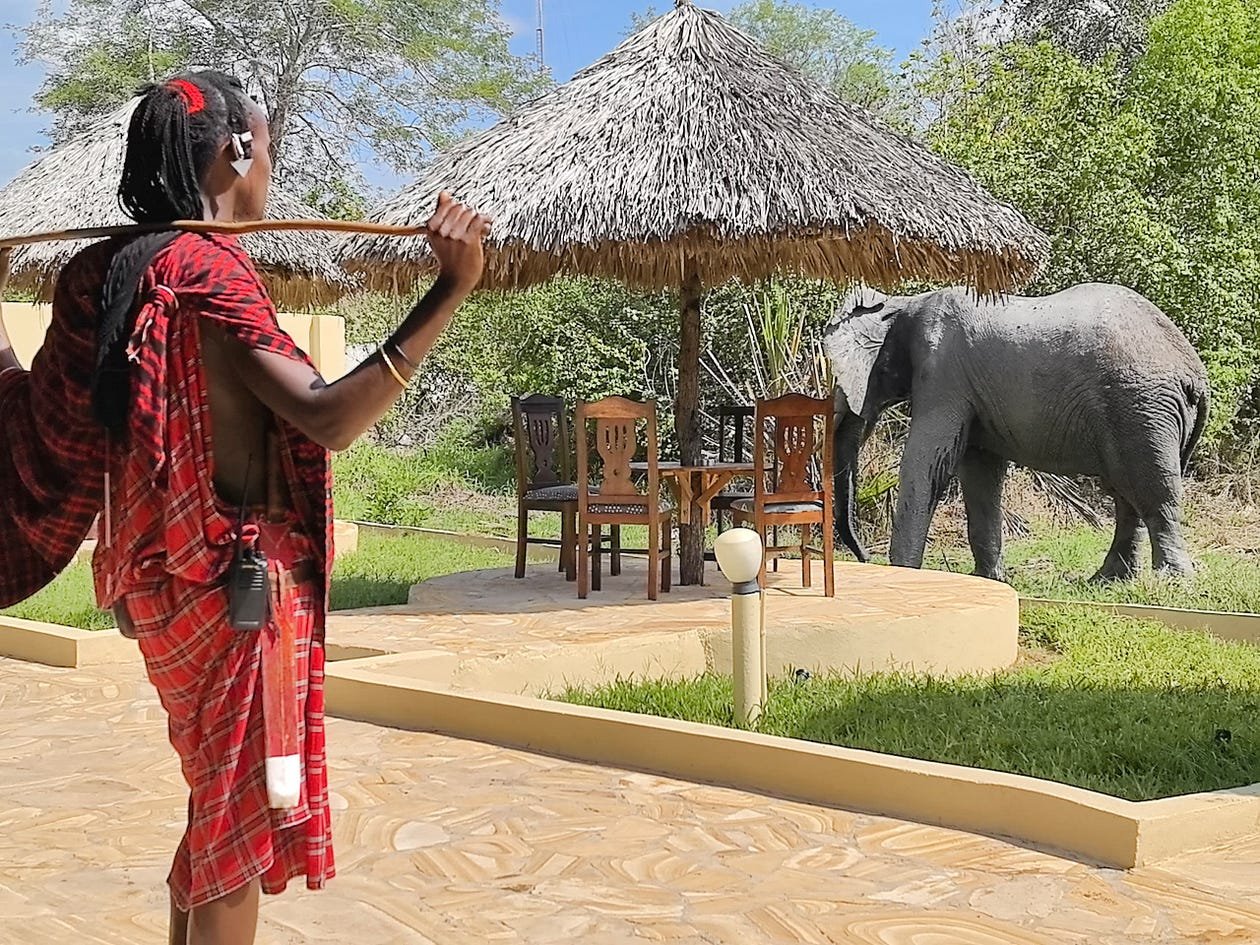
The first time I visited NNP, I stayed at Africa Safari Selous, located just outside the Nyerere National Park, and let me tell you, it’s gorgeous. The place feels like you’ve stepped into a small village community. My highlight? The waterhole is right by the restaurant, where, unexpectedly, animals stroll in for a drink. Talk about dining with a wild twist!
The food? Absolute perfection. Hats off to the chef!
Evenings were magical, with Maasai stories and traditional dancing under a sky full of shining stars. And the bonfire? It crackled and flared, blending with the distant sounds of wildlife.
The second time around, I stayed at Makubi Safari Camp, an eco-lodge located inside Nyerere National Park. The camp truly captures the essence of an eco-lodge; from the tents to the utensils you use, everything is organic and has a story behind it. The food is seasonal, exceptionally well prepared, and full of unique flavours that are absolutely delicious.
If you’re eco-conscious, Makubi’s philosophy is simple: let the animals come to you. This approach is what makes the safari experience so special. Tende, the host, knows the best times for game drives, the best months for walking safaris, the best moments to sit and observe animals in their natural habitat, and when to simply relax, drink in hand, as wildlife wanders right up to the lounge.
What to do
Like any national park, the main activity here is game drive. But Nyerere National Park has some unique spin:
- Guided walking safaris — This is one of the few parks in Tanzania where you can stretch your legs and explore on foot. The best months for walking safaris are August and September.
- Birdwatching — With about 440 recorded species, this park is a birder’s paradise.
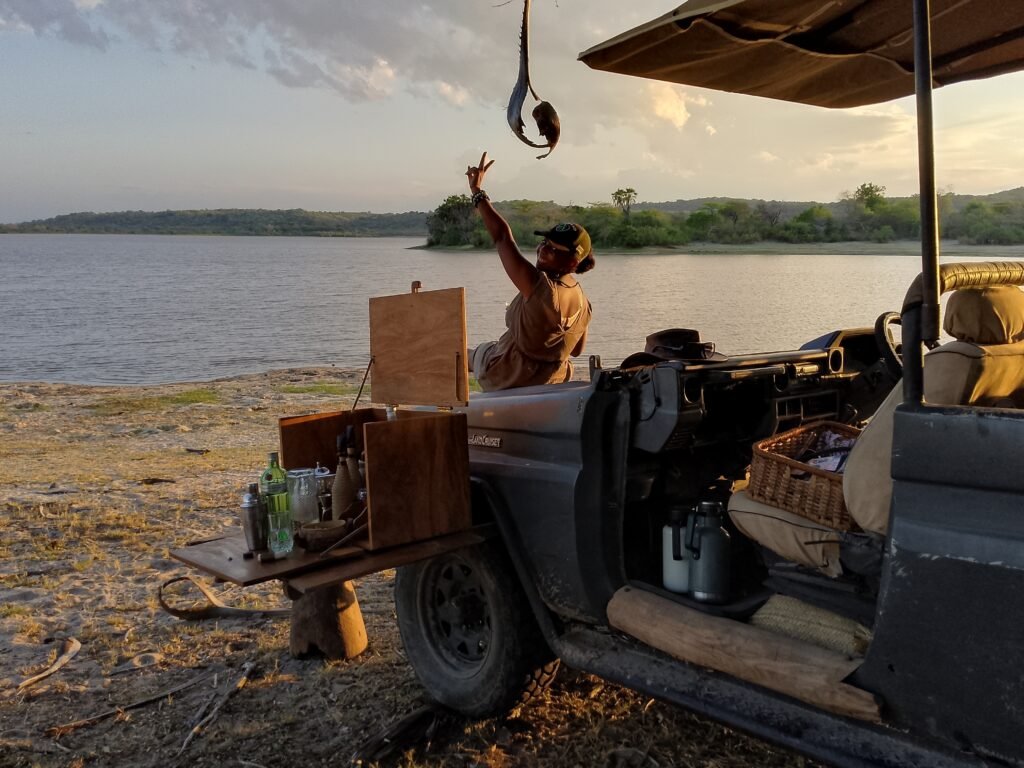
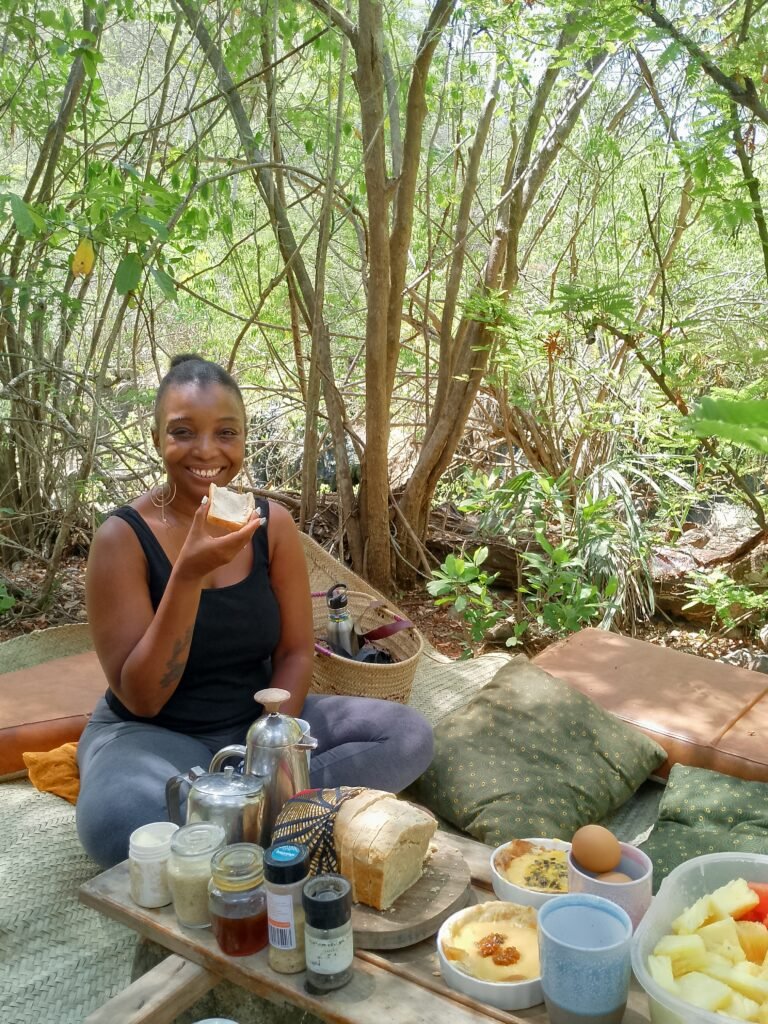
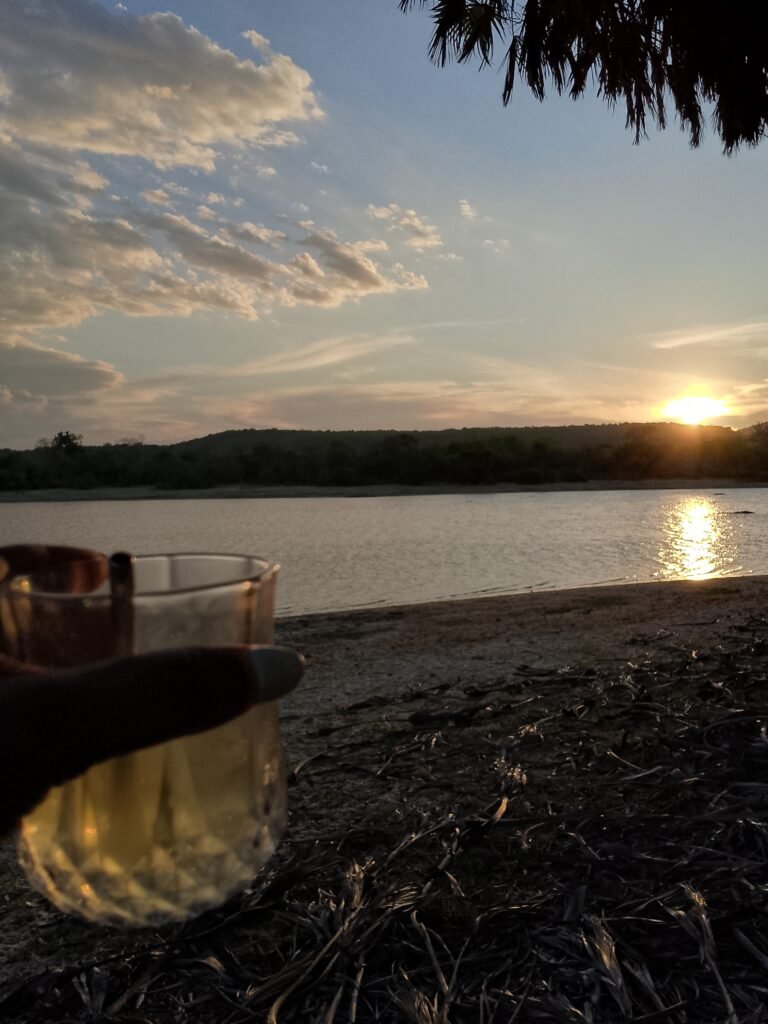
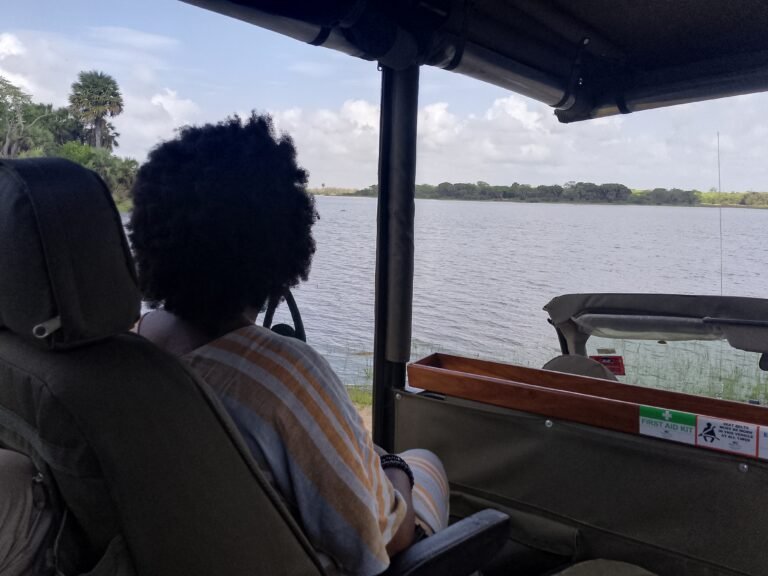
- Picnic Watching – One of the few parks in Tanzania where picnics are actually allowed. Sit by the lake, snack in hand, and watch wildlife go about their day… hippos watching you right back, crocs basking in the sun, monkeys doing monkey business, and elephants and giraffes calmly minding their own business.
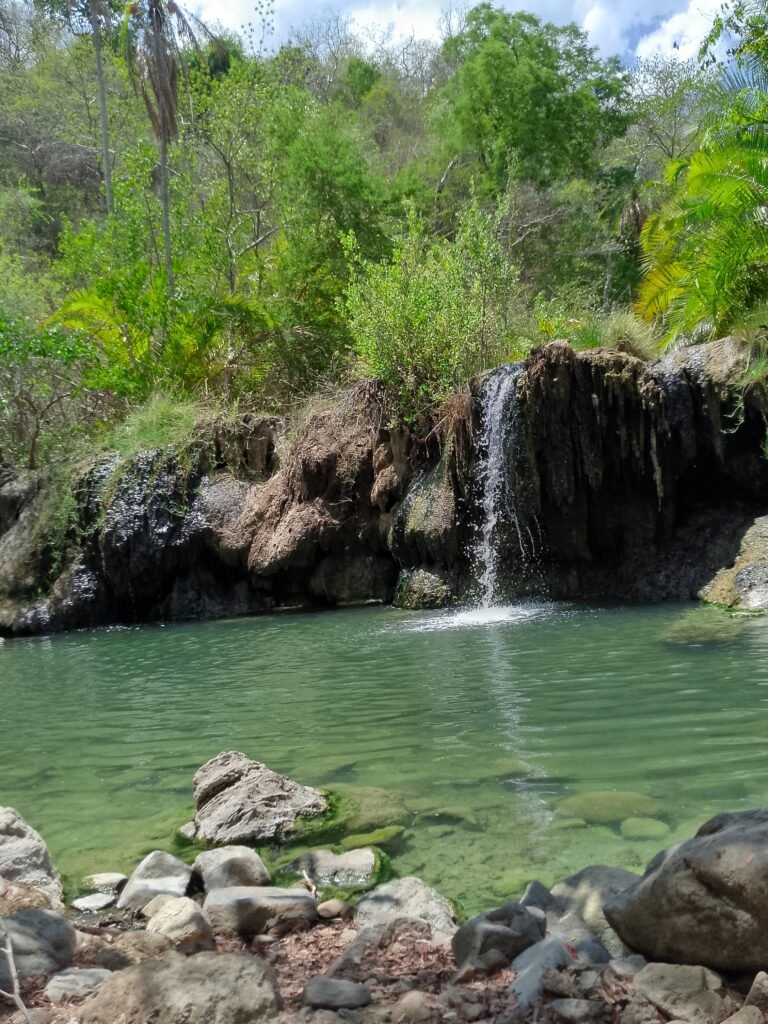
- Hot Springs – After a morning game drive, there’s no better way to wind down the afternoon than sinking into the hot springs. And yes, they’re properly hot.
What to wear
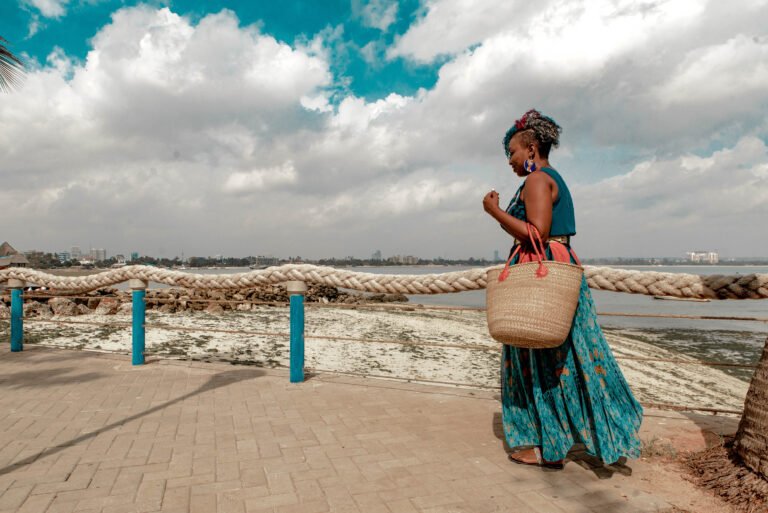
Well, I’m not exactly a fashionista… I’m more of a “comfort over couture” type. However, specifically for Nyerere National Park, dressing right is a safari survival skill. Depending on the season, you’ll need outfits that scream, “I’m here for the adventure” and not “I’m about to faint from discomfort.” Oh, and if you throw in some colourful threads? Boom… instant Instagrammable moment!
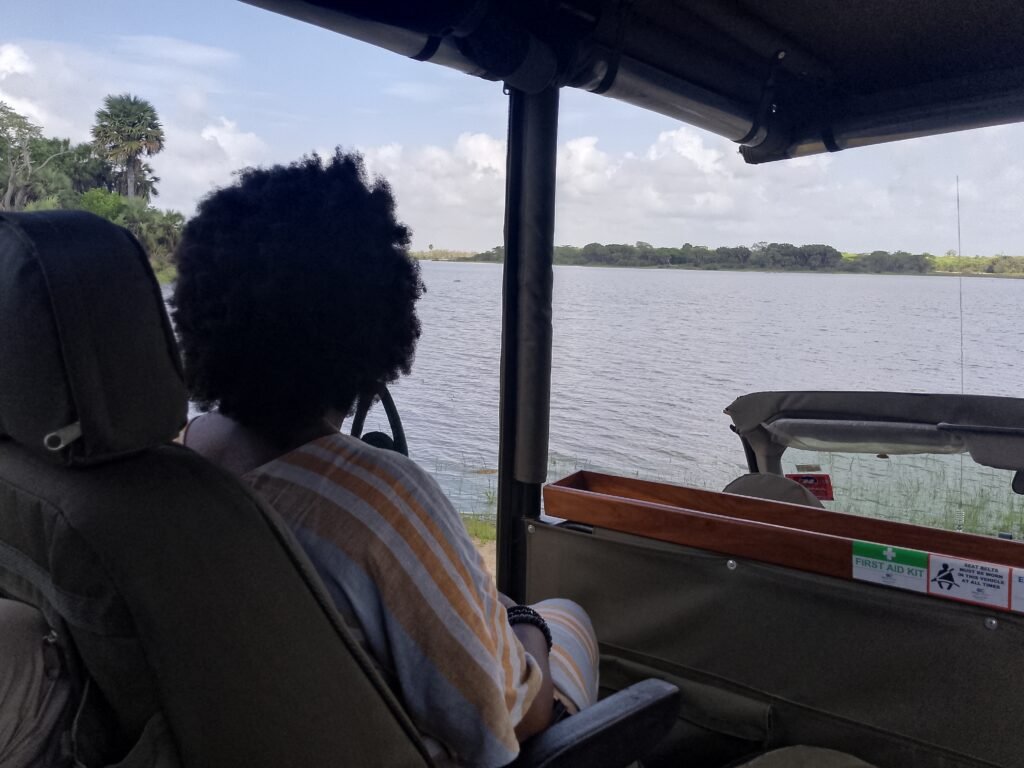
I had a beautiful time at Nyerere National Park and learned so much during both my visits. Would I go back for a third take? Absolutely.
I’ve done several safaris in Tanzania, but Nyerere National Park has given me the best safari experience yet.


this article is very useful, thank you for making a good article