How Rukia Is Bringing Playfulness, Meaning and Connection Back to Safari Experiences in Tanzania.
I’ll be the first to admit it: safaris are breathtaking, but game drives can be… slow! You spend hours scanning the horizon for movement, only for the guide to point solemnly at a distant hillside and declare, “Look, impala.” If you come from the five-year-old-me school of attention spans, that’s a long time to stare…
I’ll be the first to admit it: safaris are breathtaking, but game drives can be… slow! You spend hours scanning the horizon for movement, only for the guide to point solemnly at a distant hillside and declare, “Look, impala.” If you come from the five-year-old-me school of attention spans, that’s a long time to stare at grass waiting for it to animate.
So when I met someone who decided that Tanzania’s wildlife experience should be just as interactive as it is awe-inspiring, I paid attention.
Coming from an educational background, Rukia is reshaping how travellers experience safaris in Tanzania, adding elements of education, storytelling and friendly competition that make game viewing more engaging and memorable.
So let’s start at the beginning…
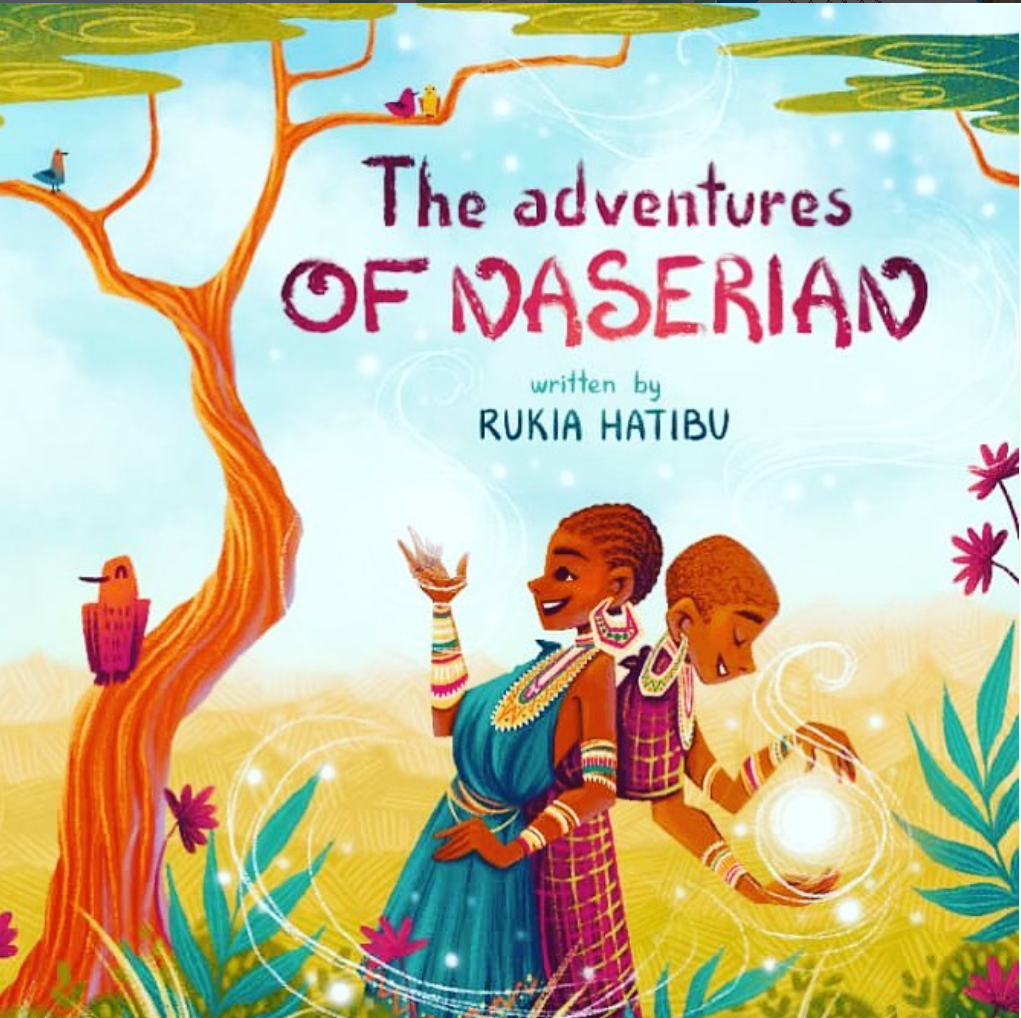
Rukia originally came from the world of education, but storytelling has always been her true north. Short stories, film scripts and children’s writing have all lived rent-free in her brain. She is one of those people who hears ideas knocking and actually opens the door.
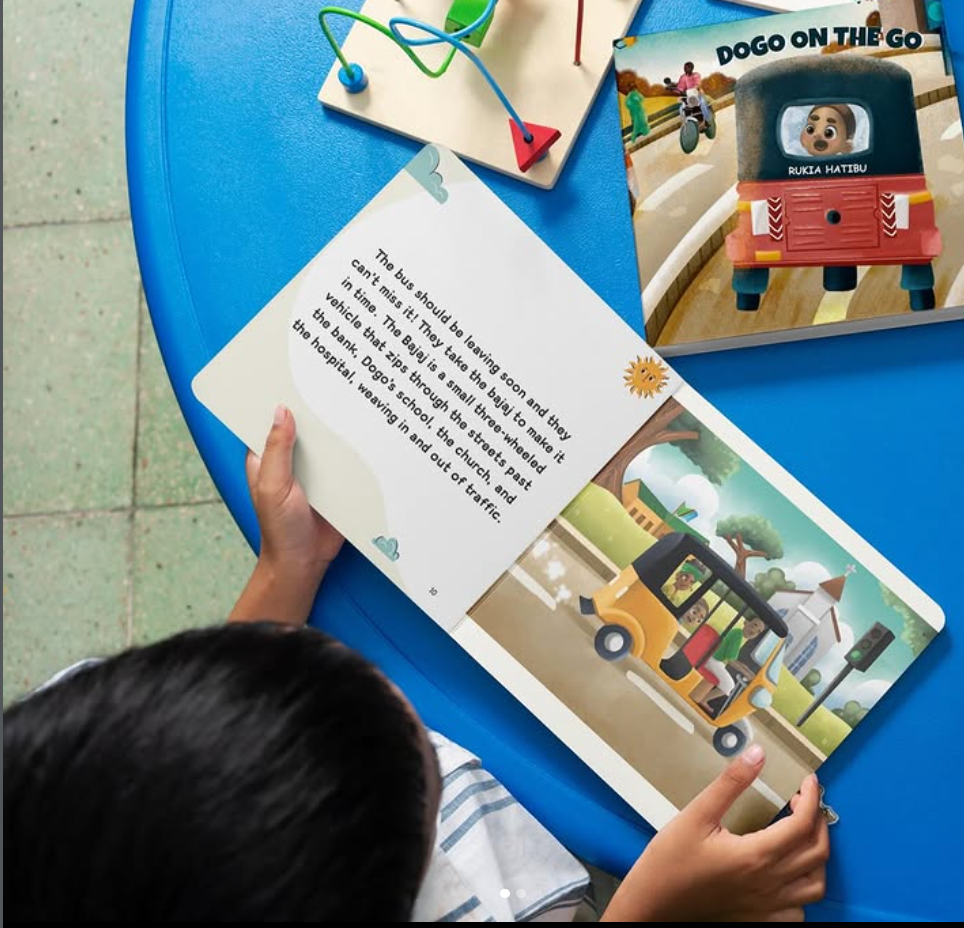
Her entrepreneurial background
After relocating to Arusha, the beating heart of Tanzania’s safari industry and the gateway to parks like the Serengeti and Ngorongoro, she noticed something that insiders rarely admit. The tourism sector had refined logistics and guest experiences, but the “take-home memories” category had barely evolved over the years.
Tour operators and lodges were still gifting the classic Maasai Shuka or beaded jewellery. Beautiful, yes, but expected. In an industry obsessed with creating once-in-a-lifetime memories, souvenirs have become oddly repetitive.
Because Rukia had a reputation for being a creative friend, people started asking for alternatives. The requests multiplied. So did frustration.
Then came Dubai.
At the expo, she received a small souvenir that lodged itself in her imagination. It was simple but intentional, and it sparked the question that separates dreamers from builders: “How can I adapt this to tourism?”
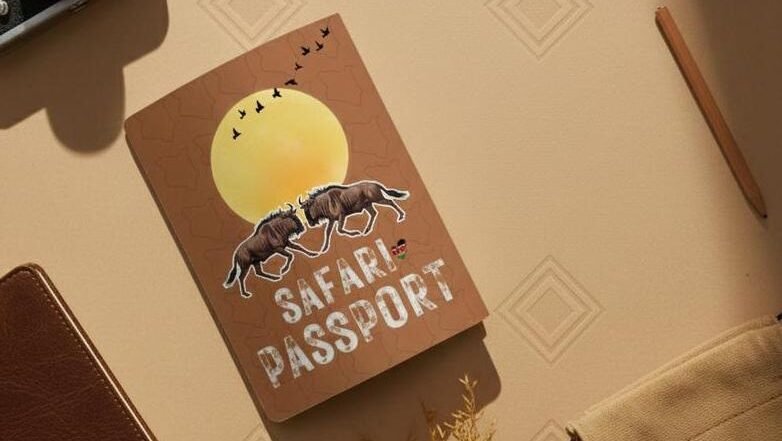
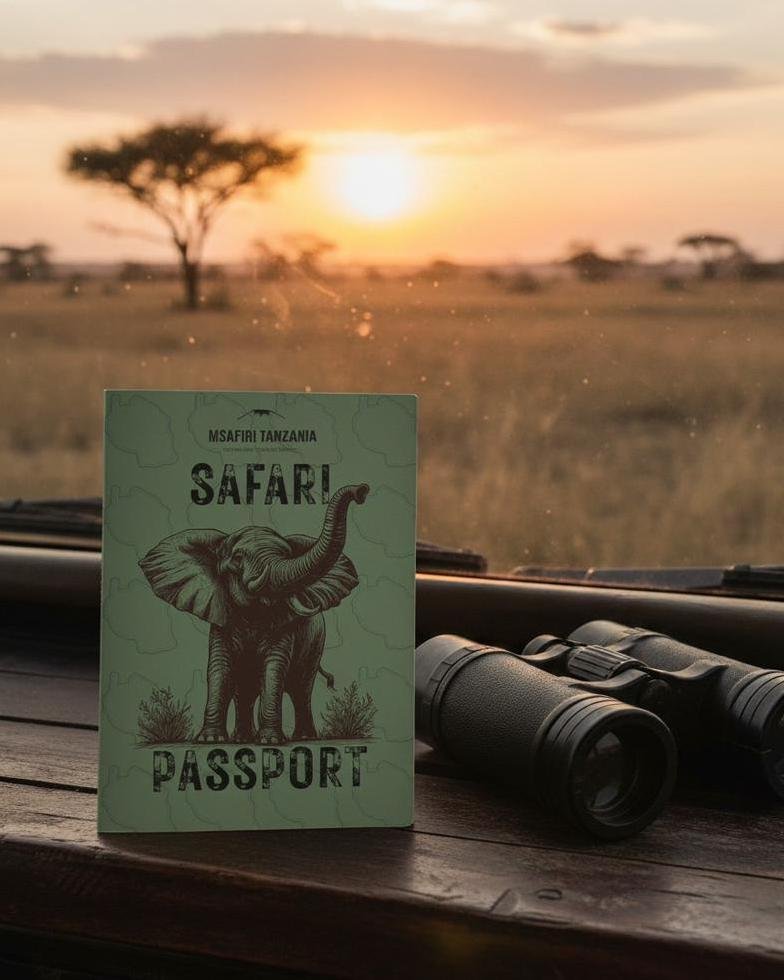
That question gave birth to the Safari Passport.
“Initially, when I was working on the design, I didn’t trust myself,” Rukia says. “I kept overthinking it, but I told myself, ‘Rukia, don’t overthink it.’ You know everything you need to know about this concept. Just do it!”
She printed a generic version and pitched it to a hotel and several tour operators. Her first order came from a friend. Not glamorous, but vital.
“Honestly, it’s a good feeling when friends support you. All you need is just that one yes, and you’ll be surprised at how much confidence it gives you.”
That single yes did more than boost morale. It proved there was a gap in the market and that people were willing to pay to fill it.
With momentum on her side, she took her passport to the Kili-Karibu Fair, one of Tanzania’s major tourism trade events. She walked, pitched and talked her way across the venue until she finally met a client who understood the potential and placed the first official order.
“They cared so much about what their clients would want and like,” she explained. “I can say they almost co-designed the passports with me until they were satisfied with the outcome.”
That collaboration revealed what every good tourism product needs: flexibility. Families, birdwatchers, school groups and safari veterans all engage differently with wildlife. One format was never going to serve them all.
What is a Safari passport?
The Safari Passport looks and feels like a real passport, except instead of immigration stamps, you collect wildlife sightings. There are animal pages to tick off as you spot them, tracks for walking safaris, scientific names for enthusiasts and dedicated editions for bird watchers. And because this is Tanzania, it also teaches Kiswahili along the way.
Where most safari products encourage passive viewing, this one encourages participation. It nudges guests to interact with wildlife, with guides, and with each other. It also creates a souvenir that doesn’t end up forgotten at the bottom of a suitcase.
What’s the future?
“I would like to experiment with and diversify this concept more,” she said. “I want to further design and customise the Safari Passport, focusing on specific animals and activities found in different national parks.”
With parks like the Serengeti, Manyara, Ruaha and Nyerere each having distinct wildlife personalities, expansion opportunities are obvious. So are the use cases: children’s travel, school groups, tour operators, lodge gift shops, edutourism and even domestic tourism, a segment Tanzania is increasingly investing in.
The passports can be customised for adults or children, translated, branded, re-designed and tailored for niche markets. Guests go home with a stamped booklet that outlives Instagram stories and fridge magnets.
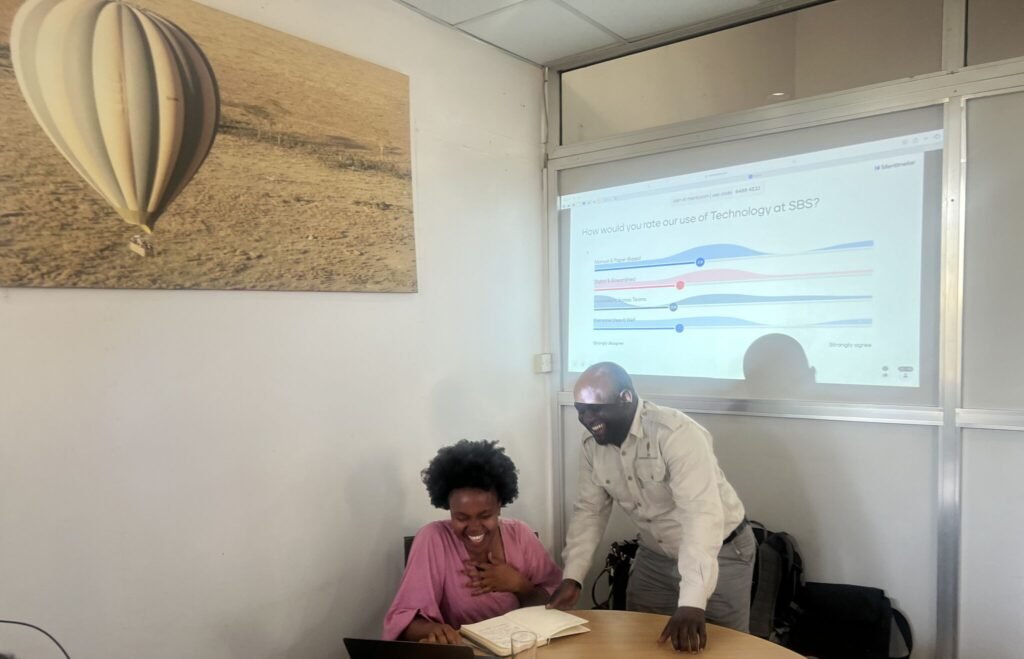
Before we wrapped, I had to ask her one last question. As a self-taught AI enthusiast, how does she see artificial intelligence fitting into Tanzania’s tourism industry?
“At the baseline, AI has a big role to play in the tourism sector,” she explained. “This can encompass anything from brand positioning and client outreach to lead generation and customer experience. It also helps with workflows.”
Her work often involves introducing hotels and operators to digital tools that automate communication, streamline tasks and improve efficiency behind the scenes. Innovation isn’t just for guests; it also matters for the people who keep the sector running.
Rukia represents a growing wave of homegrown tourism innovators who understand both the traveller and the market. They are building products that reflect Tanzania’s creativity, not only its scenery.
Safari tourism didn’t need another idea. It needed a clever one. The Safari Passport does exactly that. It turns wildlife into memories, guests into explorers and game drives into something you don’t just watch, but play with.
And honestly, if the hyena is bold enough to show its face, the least we can do is give it a tick.