Tanzania Grows World-Class Coffee. So Why Don’t We Drink It?
“Tanzania has arguably the best kahawa in Africa. And I’ve said what I’ve said,” Arqam says with confidence. Meet Arqam Kazim Ladak, the founder of Brewa Coffee Co, an online coffee business delivering freshly roasted coffee straight to your doorstep in Dar es Salaam. Beans, medium or finely ground, customised exactly how you like them….
“Tanzania has arguably the best kahawa in Africa. And I’ve said what I’ve said,” Arqam says with confidence.
Meet Arqam Kazim Ladak, the founder of Brewa Coffee Co, an online coffee business delivering freshly roasted coffee straight to your doorstep in Dar es Salaam. Beans, medium or finely ground, customised exactly how you like them. No fuss. No drama. Just fresh coffee.
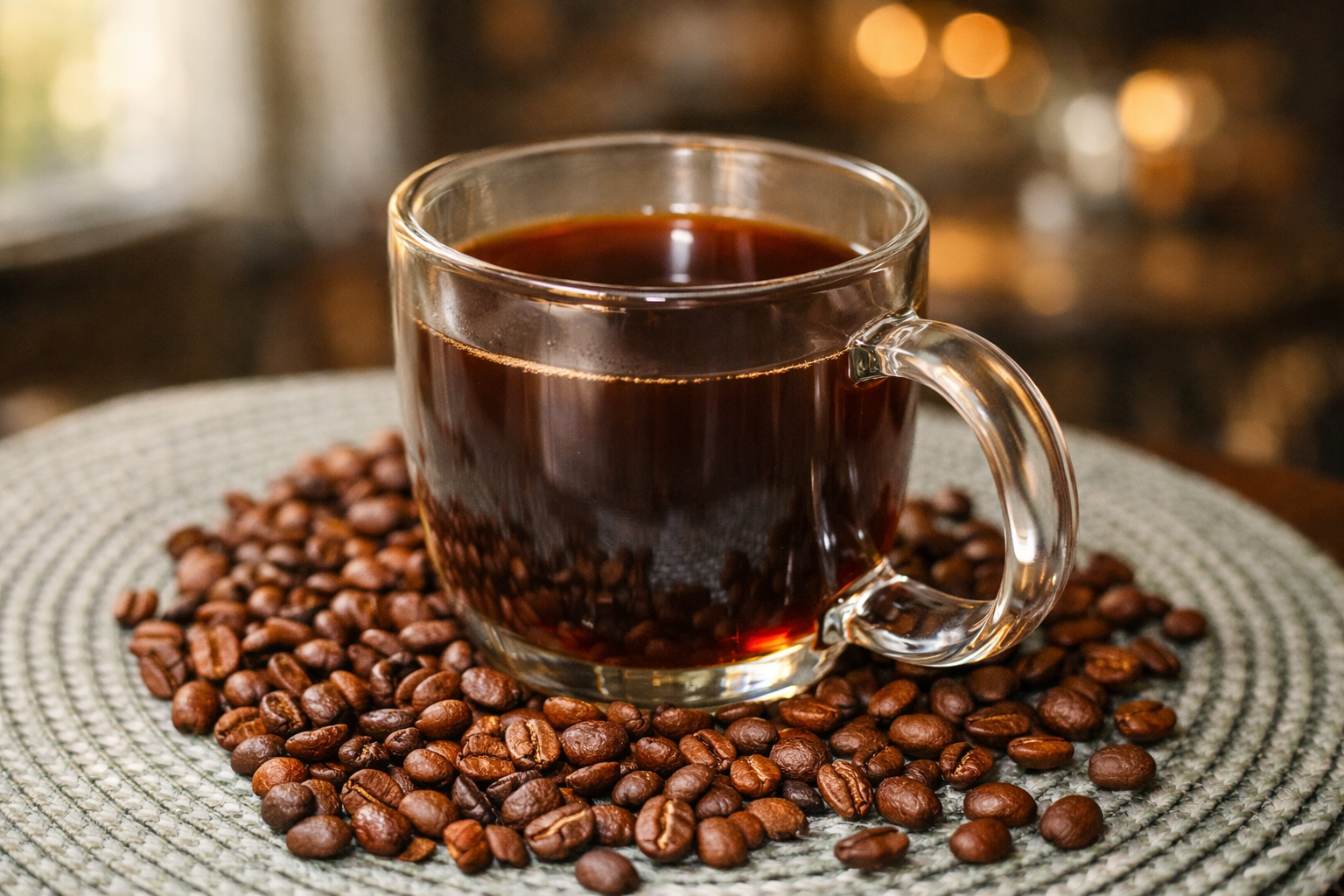
The first thing that hits you when you open a freshly roasted bag is the smell. Warm, nutty, slightly sweet, with that deep, almost chocolatey edge. When I took my first sip, it was smooth and clean, no harsh bitterness, just a rounded flavour that lingered long enough to make me go back for another.
What got me curious wasn’t just the coffee, although, to be honest, it started there. It was the bold claim splashed across the brand: Never More Than 48 Hours Old. Our coffee never sits. Every batch roasted daily and delivered at peak freshness. A big statement. So naturally, I tracked down the founder.
“Yes, my claim is true,” Arqam tells me. “At the moment, we are a small business. We roast fresh coffee every morning, let it breathe for a set time before we grind it as per our customers’ requests. So at the moment, our coffee doesn’t stay for more than 48 hours.”
A bold claim, backed up. Fair play.
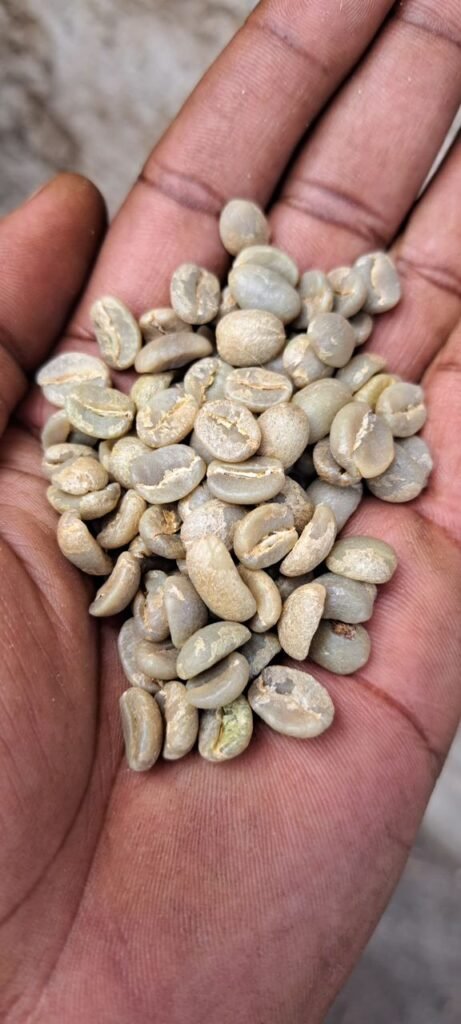
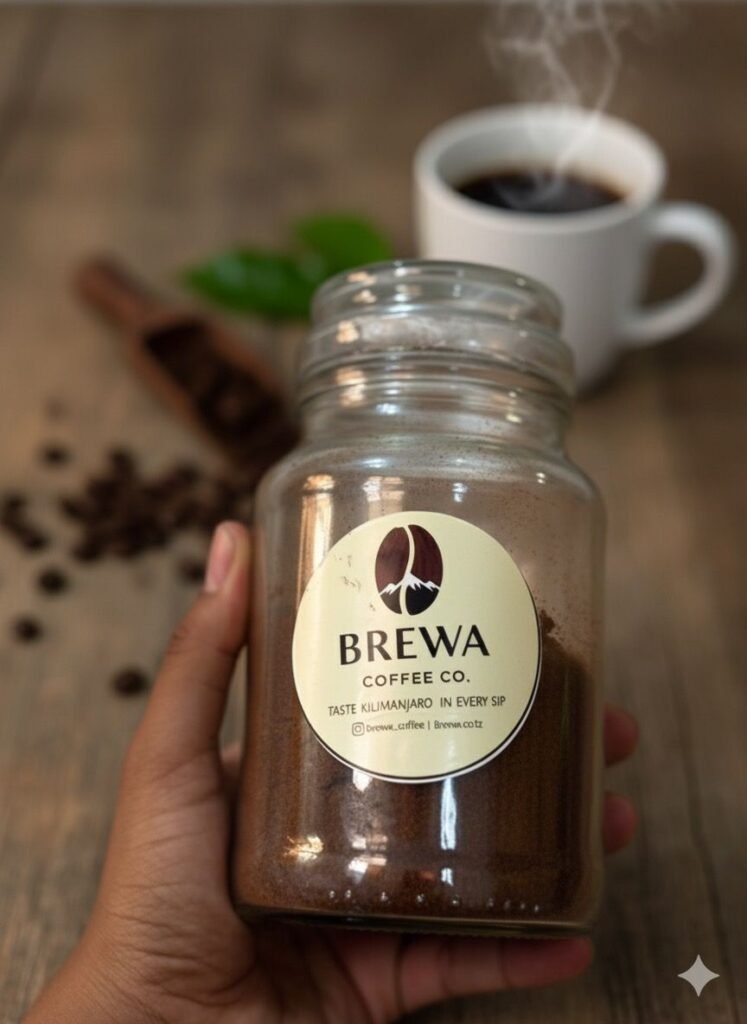
If you’ve spent any time around coffee conversations in Tanzania, you’ll hear Kilimanjaro come up a lot, and for good reason. “Good quality coffee comes from Kilimanjaro,” Arqam says, “but it’s not enough to cater for everyone because of exports.”
Tanzania, for context, produces two types of coffee: Arabica and Robusta. Arabica makes up the largest share (60.9%) and is grown across Kilimanjaro, Arusha, Tanga, Iringa, Mbeya, Kigoma, Manyara, Mwanza, Katavi, Mara, Njombe, Songwe, Rukwa, Geita and Ruvuma.
Robusta (39.1%), on the other hand, is grown mainly in Kagera and Morogoro. The country is also one of only three in the world that produces Colombian Mild Arabica, alongside Colombia and Kenya, with Tanzania contributing roughly six per cent to that group.
Most of Tanzania’s high-quality coffee is grown on Mount Kilimanjaro and Mount Meru and sold under names like Arusha, Moshi and Kilimanjaro, largely wet processed and destined for the speciality market abroad. Meanwhile, the coffee grown in places like Kagera is often dry-processed and used more in blends or instant mixes. The irony is that we grow exceptional coffee but drink very little of it ourselves.
Which makes Dar es Salaam an interesting base for a coffee business. But it makes sense. This is where coffee drinkers are. Even though reports show that local consumption barely hits 100 grams per person per year and only seven per cent of Tanzania’s coffee is consumed domestically, Dar remains the centre of daily coffee habits, offices, street corners and kitchen counters included.
For Arqam, Brewa was not born in a boardroom. It came from frustration and lived experience. “I’ve always been so passionate about coffee,” he says. “So I would sit around my street and have coffee sold by street vendors, but honestly, that’s not even coffee; they mix it with low-quality beans, which is why it tastes bitter. You go to the supermarket and find overpriced coffee, but the quality is still bad.” That’s when the question hit him: what if good coffee did not have to be inaccessible or expensive?
The answer became Brewa.
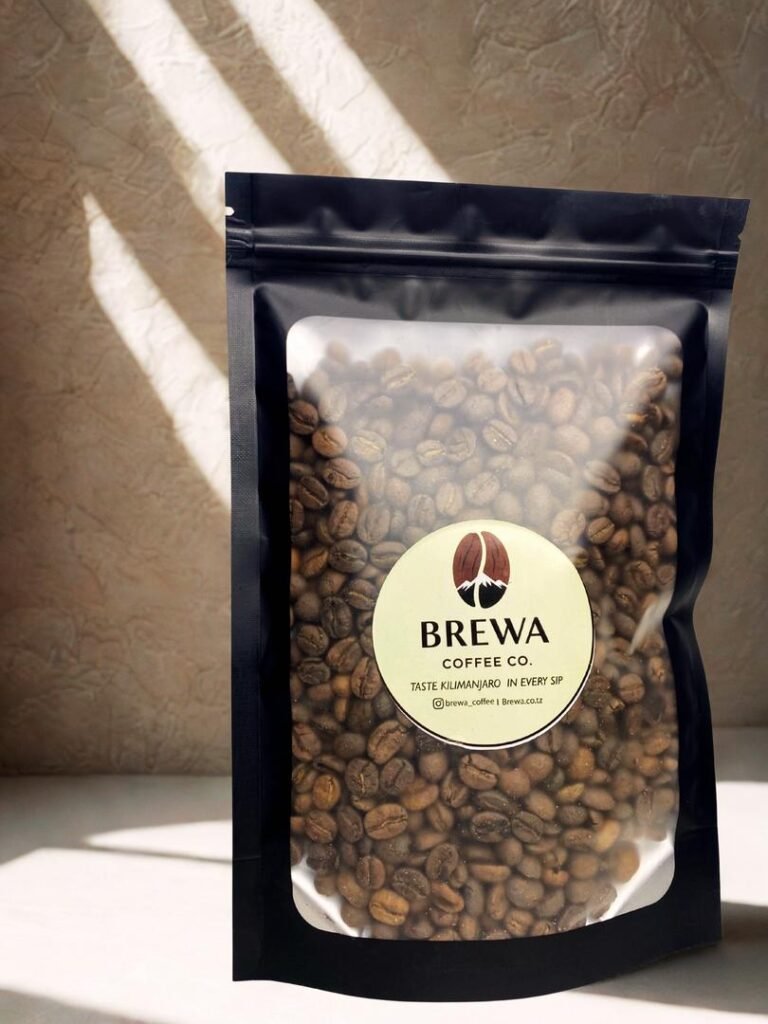
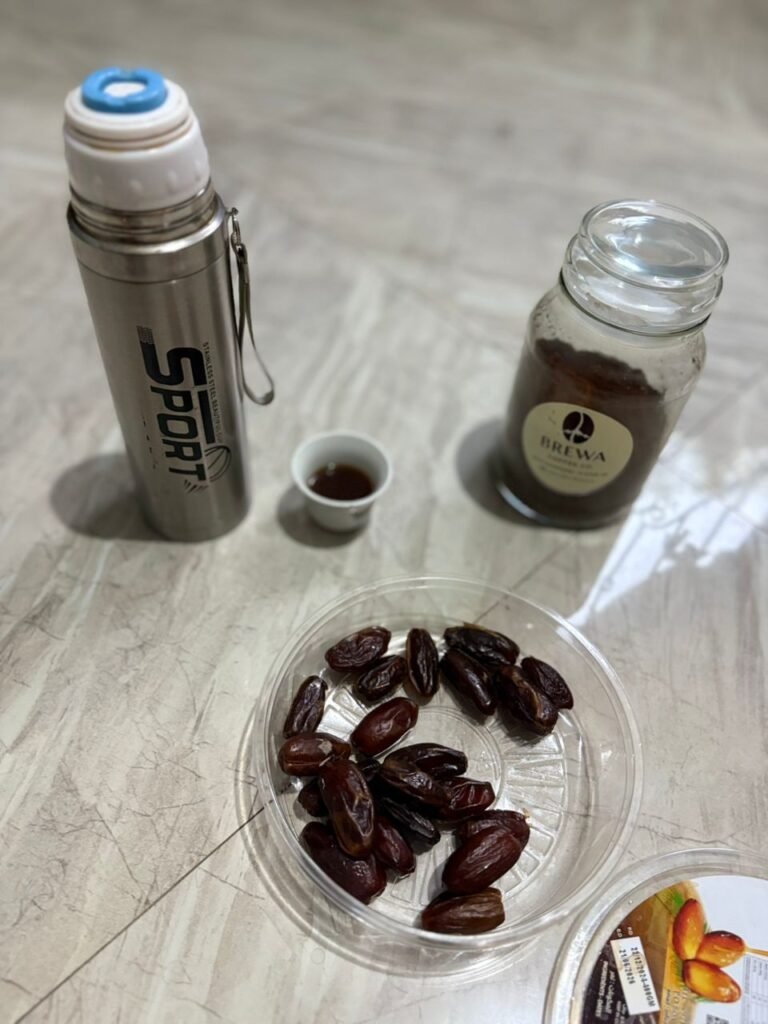
“Brewa was built on lived experience rather than theory,” he tells me. “It’s a refinement of those lessons, designed to feel local, honest and sustainable, while remaining scalable and relevant to the modern consumer.”
Brewa currently runs on a subscription model. You choose your package size, roast level and grind type on the website, and your coffee arrives weekly, fortnightly or monthly. Simple, consistent and fresh.
But operating as a small business in Tanzania’s coffee industry comes with its own challenges. “There are a lot of industry monopolies,” Arqam explains. “I personally find it challenging to get the highest coffee grade.” His solution has been to lean on experience and relationships, sourcing directly from farmers and supporting local communities. Most of Brewa’s beans come from Mbinga in the Ruvuma region, an area quietly producing excellent coffee without the Kilimanjaro hype.
That simplicity reflects Arqam’s background. Although trained in marketing and communication, he says most of his education came from the field, working closely with roadside coffee vendors, small operators and everyday consumers across Tanzania.
Before we wrap up, he leaves me with one piece of advice: try cold brew. “Add cold water to coffee, let it sit for 24 hours, press it and have it cold, with extra ice.”
I did! And I have to admit, as someone who has always been sceptical about cold brews, I am converted. The flavours are rich, clean, unexpectedly addictive and absolutely out of this world.
And maybe that’s the point. Tanzania ranks among Africa’s top coffee producers, as highlighted at the 22nd African Fine Coffees Association (AFCA) 2026 exhibition held in Addis Ababa, Ethiopia. Coffee is the country’s second-largest traditional export commodity, supports hundreds of thousands of smallholder farmers, and employs millions directly and indirectly. Yet for many of us, coffee is still overpriced or misunderstood.
Brewa feels like a quiet rebellion against that, a reminder that world-class kahawa in Africa does not just belong on export lists. Sometimes it belongs in your cup, less than 48 hours old.